
Acne and Acne Scars treatment at Derma Space, Meerut

Acne and Acne Scars

Understanding Acne and Acne Scars

Acne is one of the most common skin concerns, but it is not always limited to teenage years. It can appear as blackheads, whiteheads, painful bumps, pus-filled breakouts, or deeper cysts that keep returning. When acne is picked, left untreated, or becomes severe, it may leave behind dark spots, uneven texture, or scars. These marks can affect not only the skin's appearance but also a person’s confidence.

At Derma Space, acne and acne scars are assessed carefully to understand the skin type, severity, triggers, and the kind of marks present. This helps Dr. Tushyata plan treatment that is more focused, practical, and suitable for long-term skin health.


Why Acne Keeps Coming Back

Recurring acne usually has more than one reason behind it. Excess oil production, clogged pores, hormonal changes, stress, unsuitable skincare products, dandruff, sweating, and certain lifestyle habits can all play a role. Sometimes, people keep changing face washes or using strong home remedies, which can further irritate the skin instead of helping it heal. Acne may also flare before periods, during stressful phases, or because of makeup and products that block pores. Understanding the trigger is an important part of treatment.

At Derma Space, Dr. Tushyata focuses on identifying what is causing repeated breakouts, so the treatment is not just about calming current acne, but also about reducing frequent flare-ups.


Types of Acne and Acne Marks

Acne can look different from person to person, which is why the same treatment may not work for everyone. Some people mainly have blackheads and whiteheads, while others develop red bumps, pus-filled pimples, or painful nodules under the skin. After acne settles, it may leave brown marks, redness, open pores, or depressed scars that make the skin look uneven. These scars can be shallow, deep, rolling, or pitted, depending on how the skin has healed. Knowing the type of acne and the type of scar is essential before choosing treatment.

A detailed skin evaluation at Derma Space helps in planning care that matches the actual concern instead of using a one-size-fits-all approach.
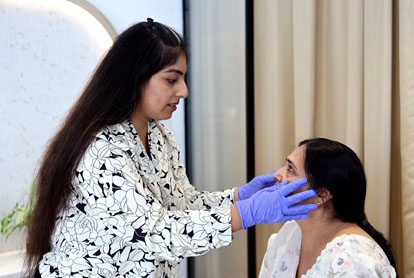

Acne patient consultation with Dr. Tushyata Arora in Meerut
Dr. Tushyata Arora Acne and Acne Scars specialist

Treatment Approach at Derma Space

Acne treatment at Derma Space is planned according to the severity of breakouts, skin sensitivity, age, routine, and past treatment history. For active acne, Dr. Tushyata may suggest a combination of prescription-based skincare, medicines, lifestyle guidance, and dermatologist-recommended procedures when required. The aim is to control active breakouts, reduce inflammation, prevent new lesions, and minimise the chances of long-term marks.

For acne scars, treatments may be planned in stages, depending on the depth and texture of the scars. Since every skin responds differently, the treatment journey is explained clearly, with realistic expectations and proper follow-up care to support gradual, visible improvement in skin quality.


When should you consult Dr. Tushyata?

Occasional breakouts may settle with simple skincare, but persistent or painful acne needs timely attention. You should consider consulting a dermatologist if acne keeps returning, spreads across the face, chest, or back, leaves dark spots, causes scarring, or does not improve despite using over-the-counter products. Early treatment can help control inflammation and reduce the risk of permanent marks. It is also important to seek help if acne is affecting your confidence or making you experiment with harsh products.

At Derma Space, Dr. Tushyata offers a structured and skin-specific approach, helping patients understand their acne better and choose safer, more effective ways to manage it.
Eczema and Dermatitis treatment at Derma Space, Meerut

Eczema and Dermatitis

Understanding Eczema and Dermatitis

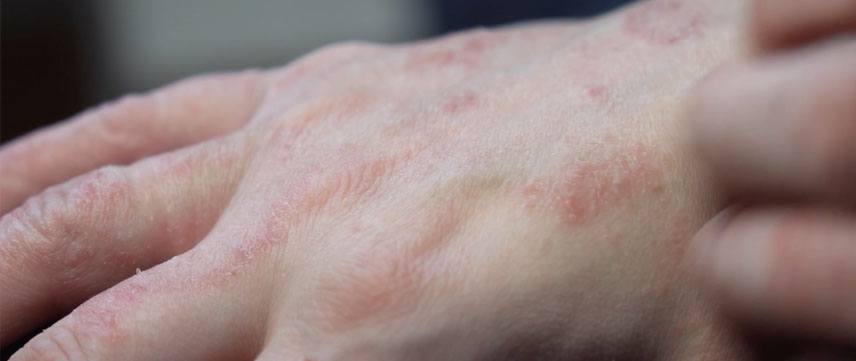
Eczema and dermatitis are common skin conditions that cause inflammation, dryness, itching, redness, and irritation. The skin may feel rough, sensitive, cracked, or uncomfortable, especially during flare-ups. While many people use the terms together, dermatitis simply means inflammation of the skin, and eczema is one of its most common forms. It can affect children, teenagers, and adults, and may appear on the face, hands, neck, folds of the arms, legs, or other body areas.

At Derma Space, Dr. Tushyata evaluates the pattern, severity, triggers, and skin sensitivity before planning care, so the treatment focuses not only on relief but also on better skin barrier health.


Common Symptoms You Should Not Ignore

Eczema and dermatitis can look different from person to person. Some may experience mild dryness and itching, while others may develop red patches, swelling, oozing, scaling, or painful cracks in the skin. The itching can become intense enough to disturb sleep or daily comfort, and repeated scratching may make the skin thicker, darker, or more prone to infection. In some cases, the condition keeps improving and returning, making it difficult to manage with basic moisturisers alone.

If the symptoms are recurring, spreading, or causing discomfort, a dermatologist’s assessment becomes important. At Derma Space, the focus is on understanding the exact type and stage of the condition before suggesting treatment.


Triggers That Can Worsen Flare-Ups

Eczema and dermatitis often worsen when the skin comes in contact with certain triggers. These may include harsh soaps, detergents, fragrances, sweat, dust, pollen, woollen fabrics, weather changes, stress, or unsuitable skincare products. For some people, frequent hand washing, sanitiser use, jewellery, cosmetics, or occupational exposure can also irritate the skin. Since triggers are not the same for everyone, simply avoiding one common factor may not always solve the problem. Identifying personal triggers is an important part of long-term control.

At Derma Space, Dr. Tushyata helps patients understand what may be aggravating their flare-ups and guides them towards gentler skincare and practical preventive steps.

Dr. Tushyata Arora Eczema and Dermatitis specialist
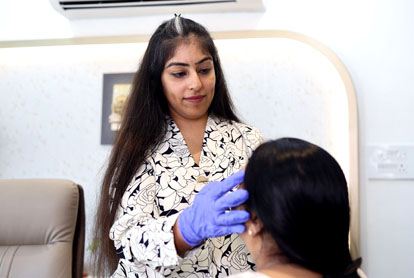
Eczema and Dermatitis patient consultation with Dr. Tushyata Arora in Meerut

Treatment Approach at Derma Space

Treatment for eczema and dermatitis depends on the type, location, severity, and how often the condition returns. The first aim is to calm inflammation, reduce itching, repair the skin barrier, and prevent repeated irritation. Dr. Tushyata may recommend prescription creams, oral medicines, moisturising routines, trigger control, and specific skincare changes based on the patient’s skin condition. Since using random steroid creams or home remedies can sometimes worsen sensitivity, professional guidance is important.

At Derma Space, every treatment plan is explained clearly, with realistic expectations and follow-up care. The goal is to make the skin more comfortable, reduce flare-ups, and support healthier skin over time.


Disease Management under Dr. Tushyata’s Guidance

Managing eczema and dermatitis often involves understanding how daily habits and environmental factors may influence the skin. While general measures such as avoiding known irritants, maintaining overall skin comfort, and being mindful of triggers can be helpful, it is important to recognise that what works for one person may not suit another. Factors like climate, stress, occupation, and individual skin sensitivity can all play a role in how the condition behaves.

Rather than following generic skincare advice, a personalised approach based on medical evaluation is more reliable. At Derma Space, Dr. Tushyata focuses on guiding patients with tailored recommendations that are safe, practical, and suited to their specific skin needs.

Derma Space Meerut Whatsapp No.