Herpes and Chicken Pox
Understanding Herpes and Chickenpox
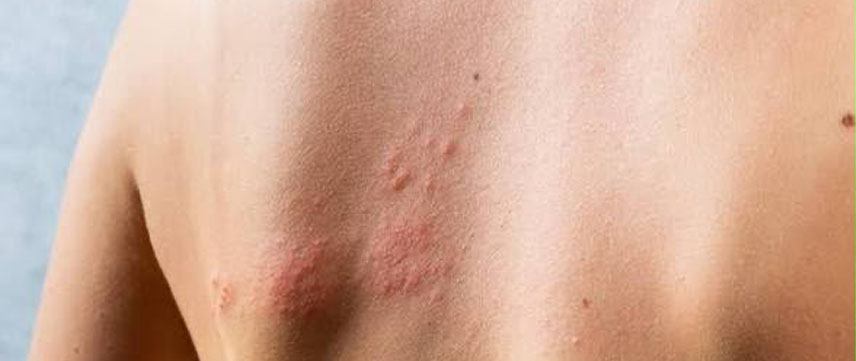
Herpes and chickenpox are viral skin infections that can cause painful, itchy, or fluid-filled blisters on the skin. Herpes commonly appears as grouped blisters around the lips, face, or other areas, while chickenpox usually presents as widespread itchy rashes and blisters across the body. Although both are caused by viruses, their pattern, spread, severity, and treatment approach can be different. These infections should not be ignored, especially when symptoms are painful, recurring, or spreading.
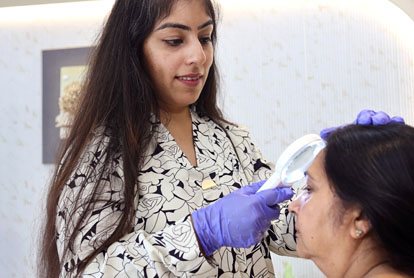
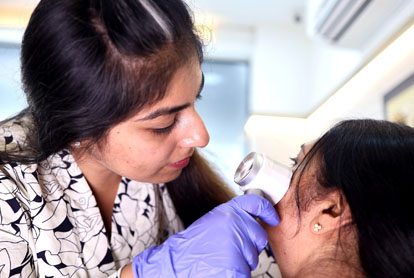
At Derma Space, Dr. Tushyata evaluates the type of rash, duration of symptoms, affected areas, and overall health before suggesting the right care and medical guidance.
Common Signs and Symptoms
Herpes may begin with tingling, burning, pain, or sensitivity before small fluid-filled blisters appear. These blisters may break, form crusts, and heal gradually. In some people, herpes can recur in the same area, especially during stress, fever, low immunity, or sun exposure. Chickenpox usually starts with fever, tiredness, body ache, and an itchy rash that turns into small blisters. The rash may appear in different stages, with red spots, fluid-filled blisters, and crusted lesions present together.
Since these symptoms can resemble other skin infections or allergic reactions, Dr. Tushyata’s evaluation at Derma Space helps in proper identification and timely care.
How These Viral Infections Spread
Herpes and chickenpox can spread through close contact, direct contact with blisters, infected skin secretions, or contaminated surfaces in some situations. Herpes may spread through skin-to-skin contact, especially when active blisters or sores are present. Chickenpox spreads more easily through respiratory droplets and direct contact with the rash, making it highly contagious, especially among children and people who have not had the infection before. Scratching blisters can also increase irritation and the risk of secondary infection.
At Derma Space, Dr. Tushyata guides patients on precautions, hygiene, isolation when needed, and steps to reduce the chances of spreading the infection to others.


Treatment Approach at Derma Space
Treatment for herpes and chickenpox depends on the type of infection, stage of rash, severity, age, immunity, and associated symptoms. Dr. Tushyata may recommend antiviral medicines, soothing skincare, fever and discomfort management, infection-control precautions, and guidance to prevent scratching or secondary bacterial infection. In herpes, early treatment may help reduce discomfort and manage recurrent episodes better. In chickenpox, supportive care and monitoring are important, especially if the patient has fever, extensive rash, or low immunity.
At Derma Space, the approach is careful, personalised, and focused on safe recovery, symptom relief, and preventing unnecessary complications through timely dermatology-based care.
When Should You See Dr. Tushyata?
You should consult a dermatologist if blisters are painful, spreading, recurring, present near the eyes, or associated with fever, swelling, pus, or severe discomfort. Medical care is also important if chickenpox appears in adults, pregnant women, newborns, or people with low immunity, as the infection may need closer attention. Herpes should be evaluated if episodes keep returning or if the rash is causing significant pain or distress. Avoid applying random creams, home remedies, or scratching the lesions, as this may worsen the skin.
At Derma Space, Dr. Tushyata provides proper diagnosis, treatment guidance, and prevention advice for safer and more comfortable recovery.