Tattoo Removal

(Safe & effective laser removal for black and coloured inks)

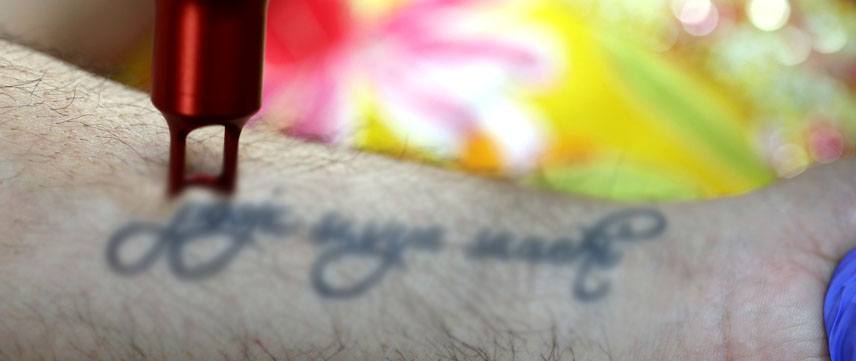
Tattoo removal treatments focus on safely fading and clearing unwanted body art-ranging from simple black outlines to complex, multicoloured designs-through dermatologist-guided care. Since ink pigment absorption varies based on color, depth, tattoo age, and individual skin type, every removal plan must be tailored carefully. At Derma Space, Dr. Tushyata evaluates the ink density, pigment depth, and skin sensitivity before customizing advanced multi-wavelength laser protocols. The aim is to achieve clear skin gradually while keeping safety, minimal downtime, proper aftercare, and realistic expectations in focus.

Black Ink Tattoo Removal treatment at Derma Space, Meerut

Black Ink Tattoo Removal

Understanding Black Ink Removal

Black ink tattoo removal is generally considered the most straightforward laser removal process because dark pigment absorbs laser energy more effectively than lighter or coloured inks. The targeted laser light shatters the dense black ink particles into microscopic fragments, which the body's natural immune system slowly flushes out over time. While black ink responds predictably to laser pulses, the total number of sessions still depends on ink density, depth, tattoo age, and individual skin tone.

At Derma Space, Dr. Tushyata evaluates the exact depth and density of the black ink to create a structured laser plan focused on safe, uniform fading and minimal skin stress.


Key Factors in Black Ink Fading

Although black ink absorbs all laser wavelengths, several variables affect how fast it clears. Professional black tattoos often use high-density ink placed deeper in the dermis, requiring more sessions compared to amateur or hand-poked tattoos. Additionally, older black tattoos usually fade faster than freshly done ones. Factors like blood circulation near the tattoo location, skin sensitivity, and proper gaps between sessions also play a key role in the clearing timeline.

At Derma Space, Dr. Tushyata assesses these parameters before beginning treatment so patients have a realistic understanding of expected fading timelines and progress.


Treatment Approach & Safety

Black ink removal requires balanced laser energy to shatter deep pigment without causing excess heat buildup in surrounding skin tissue. At Derma Space, laser settings are calibrated specifically for dark pigment absorption while taking the patient's natural skin tone into account. Treatment is performed in stages, allowing the skin to process shattered ink particles and rebuild naturally between visits.

The objective is to achieve maximum pigment reduction with minimal risk of blistering, scarring, or post-treatment hyperpigmentation.


Aftercare for Dark Pigment Removal

Following a black ink laser session, the area may experience temporary whitening (frothing), mild redness, or slight swelling. Proper care involves keeping the area clean, cool, and protected from direct sunlight or friction. Patients should avoid picking at any mild crusting to ensure smooth recovery and prevent unwanted mark formation.

At Derma Space, Dr. Tushyata provides clear post-procedure guidelines to ensure the treated skin heals comfortably after every session.

Multicoloured Ink Tattoo Removal treatment at Derma Space, Meerut

Multicoloured Ink Tattoo Removal

Understanding Multicoloured Tattoo Removal

Multicoloured tattoo removal is a complex process because different ink shades—such as red, blue, green, yellow, and custom color blends—absorb light at different wavelengths. Unlike black ink, bright or light pigments reflect certain laser frequencies, making them more resistant to standard treatments. Successfully removing color tattoos requires multi-wavelength laser technology matched precisely to each specific pigment shade.

At Derma Space, Dr. Tushyata uses a multi-wavelength laser approach to systematically target distinct color layers with care and precision.


Color Pigment Behaviour & Complexity

Different colors react uniquely during laser treatment. Red and dark blue inks generally fade well with targeted wavelengths, whereas green, teal, and bright yellow pigments require specialized handling and multi-pass strategies. Furthermore, white, pastel, or fluorescent inks can sometimes undergo temporary color darkening (paradoxical darkening) when exposed to laser light, making prior medical evaluation essential.

At Derma Space, Dr. Tushyata carefully inspects color compositions beforehand to explain color-specific fading patterns and set achievable clearance expectations.


Dermatologist-Guided Multi-Wave Protocol

Removing multi-tone artwork requires adjusting laser wavelengths, energy levels, and spot sizes depending on the color being treated in a specific session. Dr. Tushyata designs treatments in planned stages—often addressing darker base shades first before targeting stubborn secondary colors. This layered strategy protects the skin's surface while effectively breaking down varied dye compositions.

This progressive, dermatologist-guided method ensures safe fading across all color shades while preserving skin texture and health.


Aftercare & Recovery for Color Tattoos

Because multi-wavelength treatments interact with complex chemical pigments, mild swelling, tenderness, or temporary crusting may be slightly more noticeable after treating vibrant colors. Strict sun protection, gentle cleansing, and applying recommended soothing creams are critical steps during the recovery period.

At Derma Space, Dr. Tushyata provides detailed, step-by-step aftercare support throughout your color tattoo removal journey to ensure safe healing and optimal skin clarity.

Dr. Tushyata Arora

(Dermatologist, Venereologist & Leprologist)

View Profile | Book Now

Timings

  • Mon–Sat 10 AM – 02 PM
  • Mon–Sat 4:30 PM – 6:30 PM
  • Sunday Closed
Derma Space Meerut Whatsapp No.