Blistering Diseases
Understanding Blistering Diseases
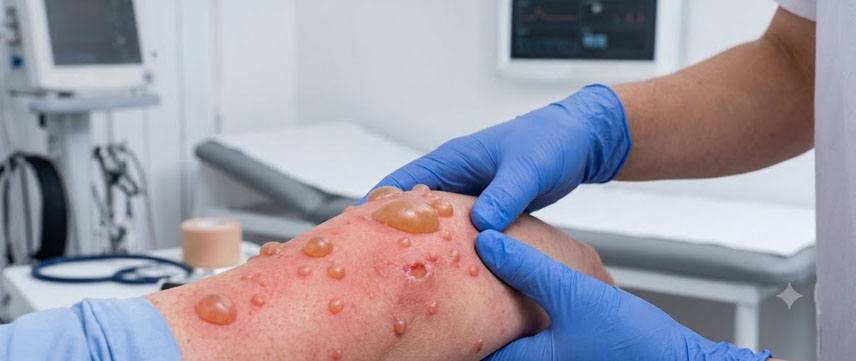
Blistering diseases are skin conditions where fluid-filled blisters form on the skin or sometimes inside the mouth and other delicate areas. These blisters may develop because of infections, allergies, burns, friction, drug reactions, or immune-related conditions. Some blisters are mild and temporary, while others may be painful, widespread, recurring, or associated with serious underlying causes. Since different blistering conditions can look similar in the beginning, proper diagnosis is important before starting treatment.
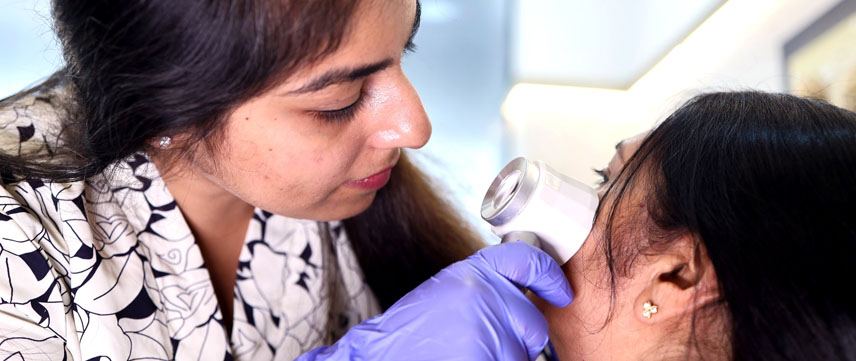
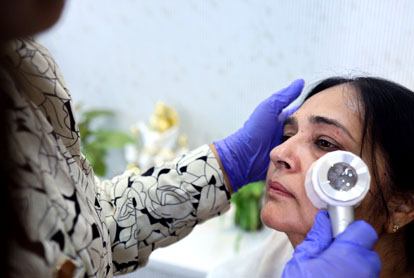
At Derma Space, Dr. Tushyata examines the size, location, spread, and history of blisters to understand the cause and plan suitable care.
Common Signs and Symptoms
Blistering conditions may appear as small or large fluid-filled bubbles, raw areas, crusting, burning, itching, pain, or peeling of the skin. Some patients may develop blisters on the hands, feet, legs, face, trunk, or inside the mouth. In certain cases, blisters may break easily and leave sensitive, open, or painful skin behind. If blisters are spreading, recurring, or associated with fever, weakness, medicines, or mouth ulcers, medical attention should not be delayed.
A dermatologist’s evaluation at Derma Space helps identify whether the condition is simple, infection-related, allergy-related, or immune-mediated.
Treatment Approach at Derma Space
Treatment for blistering diseases depends on the cause, severity, affected area, and overall health of the patient. Dr. Tushyata may recommend medicines to control infection, reduce inflammation, relieve pain or itching, and protect the damaged skin. In some cases, tests may be needed to confirm the diagnosis and understand whether the blistering is linked to an immune response or drug reaction. Wound care and infection prevention are also important, especially when blisters have opened.
At Derma Space, treatment is planned with care, proper explanation, and close follow-up when required.


When Should You See a Dermatologist?
You should consult a dermatologist if blisters are painful, spreading, recurring, present inside the mouth, or appearing without a clear reason. Medical advice is also important if blisters occur after starting a new medicine, are associated with fever, or leave raw skin behind. Avoid bursting blisters, applying random creams, or using home remedies, as this may increase the risk of infection or scarring.
At Derma Space, Dr. Tushyata provides careful evaluation, treatment guidance, and skin protection advice to help patients recover safely and avoid unnecessary complications.