Bacterial Infections and Boils treatment at Derma Space, Meerut

Bacterial Infections and Boils

Understanding Bacterial Infections and Boils

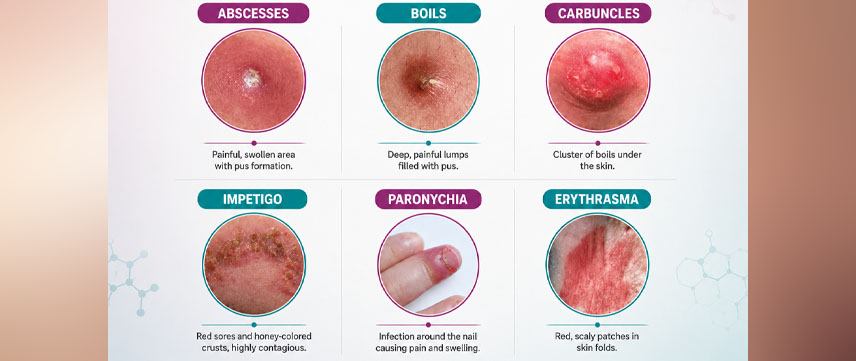
Bacterial skin infections occur when harmful bacteria enter the skin through cuts, blocked hair follicles, friction, scratching, or minor injuries. They may appear as redness, swelling, pain, pus-filled bumps, or warm and tender areas on the skin. Boils are deeper infections that usually develop around hair follicles and may feel painful, swollen, and filled with pus. While some infections may look small in the beginning, they can spread or worsen if ignored or handled incorrectly.

At Derma Space, Dr. Tushyata evaluates the type, severity, location, and recurrence pattern of the infection before planning safe and suitable treatment for better skin recovery.


Common Signs and Symptoms

Bacterial infections and boils can show up in different ways depending on the area involved and the depth of infection. Common signs include redness, swelling, pain, warmth, tenderness, pus formation, crusting, or a lump that gradually becomes larger and more uncomfortable. Boils may begin as small painful bumps and later become filled with pus. Some infections may also be associated with fever, tiredness, or swelling in nearby areas if the infection is spreading. Repeated scratching, squeezing, or applying random creams may worsen the condition.

Dr. Tushyata’s evaluation at Derma Space helps identify the infection correctly and decide whether medical treatment is needed.


Why Boils and Infections Keep Coming Back

Recurrent boils or bacterial infections may occur due to several reasons, including friction, excessive sweating, poor wound care, uncontrolled diabetes, low immunity, shaving injuries, tight clothing, or repeated skin irritation. In some cases, bacteria may continue to remain on the skin or spread through shared towels, razors, or personal items. Many people also squeeze boils or stop medication too early, which may increase the chances of recurrence. Identifying the reason behind repeated infections is important for long-term control.

At Derma Space, Dr. Tushyata focuses on understanding the underlying triggers and guides patients with proper hygiene, prevention, and treatment measures.
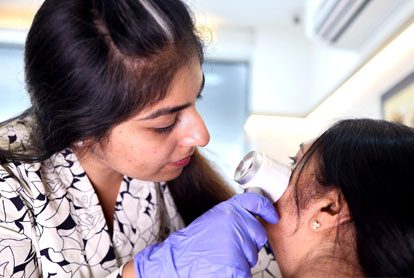

Bacterial Infections and Boils patient consultation with Dr. Tushyata Arora in Meerut
Dr. Tushyata Bacterial Infections and Boils specialist

Treatment Approach at Derma Space

Treatment for bacterial infections and boils depends on the size, pain, location, pus formation, and whether the infection is mild, severe, or recurring. Dr. Tushyata may recommend topical medicines, oral medicines, wound care guidance, or a minor procedure if drainage is required. The aim is to reduce infection, relieve discomfort, prevent spread, and support proper healing. Patients are advised not to squeeze, prick, or self-treat boils, as this can push infection deeper or cause scarring.

At Derma Space, treatment is planned carefully with clear instructions, follow-up care, and preventive guidance to reduce the chances of repeated infections.


When Should You See a Dermatologist?

You should consult a dermatologist if a boil is painful, increasing in size, filled with pus, recurring frequently, or not improving with basic care. Medical attention is also important if the infection is near the face, nose, underarms, groin, or if it is associated with fever, swelling, or spreading redness. Delaying treatment may increase discomfort and the risk of scarring or deeper infection. It is also important to seek advice if you have frequent boils or repeated skin infections.

At Derma Space, Dr. Tushyata provides proper diagnosis, safe treatment, and practical prevention advice for better skin health and comfort.
Viral Warts treatment at Derma Space, Meerut

Viral Warts

Understanding Viral Warts

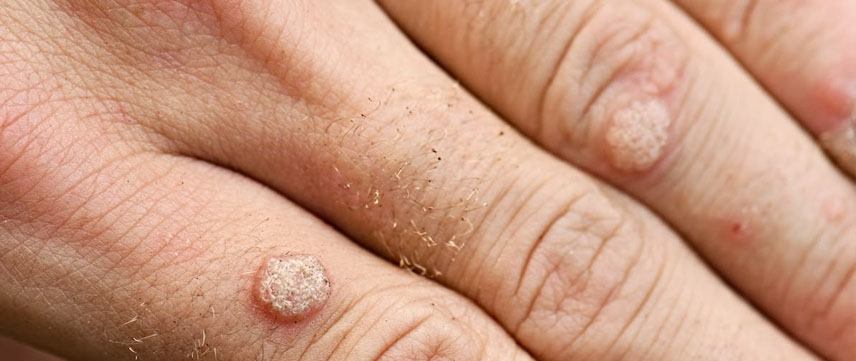
Viral warts are small skin growths caused by certain strains of the human papillomavirus, commonly known as HPV. They can appear on the hands, feet, face, around nails, or other body areas, depending on the type of wart and how the virus enters the skin. Warts are usually not dangerous, but they can be uncomfortable, spread to nearby skin, or become a cosmetic concern. Some may stay for a long time or return after temporary improvement.

At Derma Space, Dr. Tushyata examines the type, location, number, and duration of warts before suggesting a safe and suitable treatment plan for better skin comfort and clarity.


Common Signs and Types

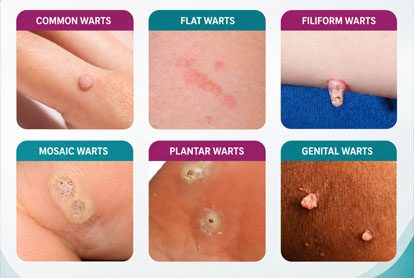
Viral warts can look different based on where they appear. Common warts often feel rough, raised, and grainy, while flat warts may look smoother and smaller. Plantar warts develop on the soles and may cause pain while walking because of pressure. Warts around the nails can disturb nail growth and become difficult to manage if ignored. Some warts may appear in clusters, while others remain single for a long time. Since warts can resemble corns, skin tags, or other growths, proper diagnosis is important.

Dr. Tushyata’s evaluation at Derma Space helps identify the type correctly and plan treatment accordingly for safer results.


How Viral Warts Spread

Warts can spread through direct skin contact, scratching, shaving, nail biting, or touching a wart and then touching another area of the body. They may also spread through shared towels, footwear, nail tools, or surfaces in moist areas. Small cuts, damaged skin, and frequent friction can make it easier for the virus to enter. Not everyone who comes in contact with the virus develops warts, as individual immunity and skin condition also play a role.

At Derma Space, Dr. Tushyata helps patients understand how warts spread and guides them on simple preventive measures to reduce recurrence, transmission, and unnecessary skin irritation.

Viral Warts types
Dr. Tushyata Arora viral warts specialist

Treatment Approach at Derma Space

Treatment for viral warts depends on their size, location, number, depth, and how long they have been present. Dr. Tushyata may recommend treatment options such as medicated applications, cautery, cryotherapy, or other dermatologist-guided procedures depending on the case. The aim is to remove the wart safely, reduce discomfort, and lower the chances of spread. Patients are advised not to cut, pick, burn, or self-treat warts at home, as this can cause pain, infection, or scarring.

At Derma Space, the treatment plan is explained clearly, with aftercare guidance and follow-ups when required for better healing, smoother recovery, and skin protection over time.


When Should You See Dr. Tushyata?

You should consult a dermatologist if a wart is painful, spreading, bleeding, changing in appearance, or interfering with daily activities. Medical care is also important when warts appear on the face, soles, around nails, or in sensitive areas. Recurrent warts may need a more detailed evaluation and a structured treatment approach instead of repeated home remedies. Delaying treatment can sometimes allow warts to multiply or become harder to manage.

At Derma Space, Dr. Tushyata focuses on accurate diagnosis, safe removal, and practical prevention guidance, helping patients manage viral warts with more confidence, better awareness, and less discomfort during everyday life and routine activities.

Derma Space Meerut Whatsapp No.