PRP (Platelet Rich Plasma) Hair Therapy
Understanding PRP Hair Therapy
PRP Hair Therapy is a dermatologist-guided treatment that uses platelet-rich plasma prepared from the patient’s own blood to support hair and scalp health. The plasma contains growth factors that may help nourish weak hair follicles and improve the hair growth environment over time. It is often considered for hair thinning, early hair fall, reduced hair density, and certain types of pattern hair loss.
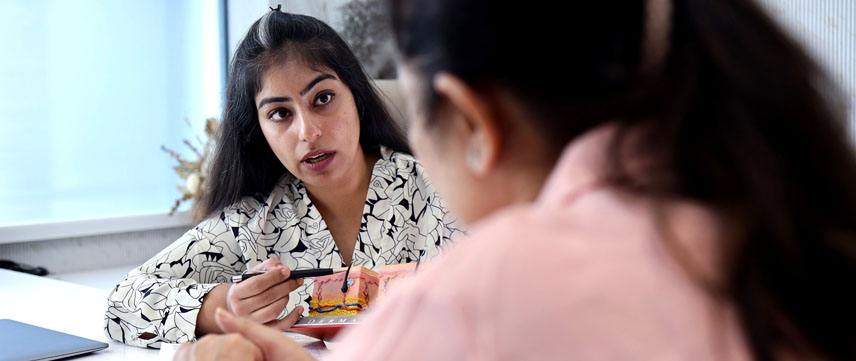
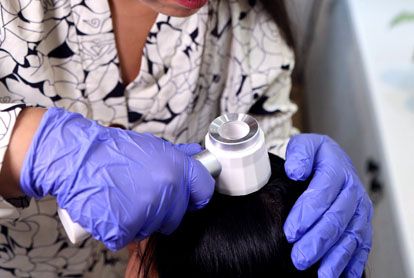
At Derma Space, Dr. Tushyata first evaluates the cause of hair fall, scalp condition, medical history, and hair density before suggesting PRP therapy. This helps ensure that the treatment is planned according to the patient’s actual hair concern.
Who Can Consider PRP Hair Therapy
PRP Hair Therapy may be considered for patients experiencing hair thinning, increased hair fall, early-stage pattern hair loss, reduced scalp coverage, or weak hair growth. It may also be advised as a supportive treatment along with medicines, nutritional correction, or scalp care when required. However, not every type of hair loss responds to PRP in the same way. Sudden hair fall, patchy hair loss, dandruff, scalp infections, hormonal imbalance, thyroid issues, or nutritional deficiencies may need proper evaluation first.
At Derma Space, Dr. Tushyata identifies the possible reason behind hair fall before deciding whether PRP is suitable or if another treatment should be started.
Treatment Approach at Derma Space
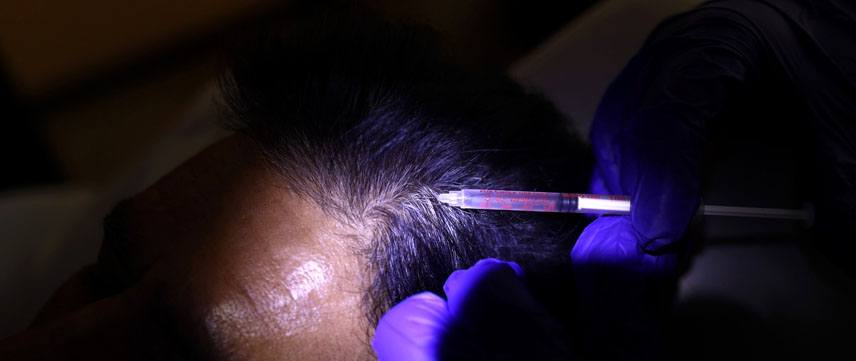
At Derma Space, PRP Hair Therapy is planned after a detailed scalp and hair assessment. A small amount of the patient’s blood is collected, processed to separate platelet-rich plasma, and then carefully introduced into targeted areas of the scalp. Dr. Tushyata explains the procedure, number of sessions, session gap, possible discomfort, aftercare, and expected response before starting treatment. Since hair growth is a gradual process, visible improvement may take time and consistency.
PRP may also be combined with medical hair fall treatment, supplements, or scalp care depending on the patient’s condition. The approach remains personalised, safe, and focused on long-term hair health.

Aftercare and Hair Care Guidance
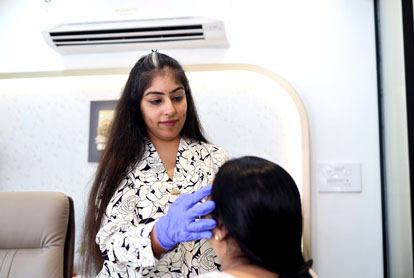
After PRP Hair Therapy, mild tenderness, redness, or heaviness may be felt on the scalp for a short time. Patients are usually advised to avoid washing the hair immediately, using harsh hair products, applying oil, colouring the hair, or exposing the scalp to excessive sweat or heat for a short period, as advised by the dermatologist. Proper aftercare helps keep the scalp comfortable and supports the treatment process.
At Derma Space, Dr. Tushyata also guides patients on hair care habits, scalp hygiene, nutrition, and follow-up routines, because PRP works best when it is supported by consistent care and the right medical guidance.
Why Dermatologist Guidance Matters
Hair fall can happen due to many reasons, and starting PRP without understanding the cause may lead to incomplete or unsatisfactory results. Pattern hair loss, stress-related shedding, nutritional deficiencies, post-illness hair fall, hormonal concerns, and scalp conditions may all require different approaches. A dermatologist-led plan helps decide whether PRP is suitable, how many sessions may be needed, and what additional treatment may support better outcomes.
At Derma Space, Dr. Tushyata focuses on correct diagnosis, realistic expectations, and safe treatment planning. The aim is to support healthier hair growth gradually without making exaggerated promises or relying on a one-size-fits-all approach.