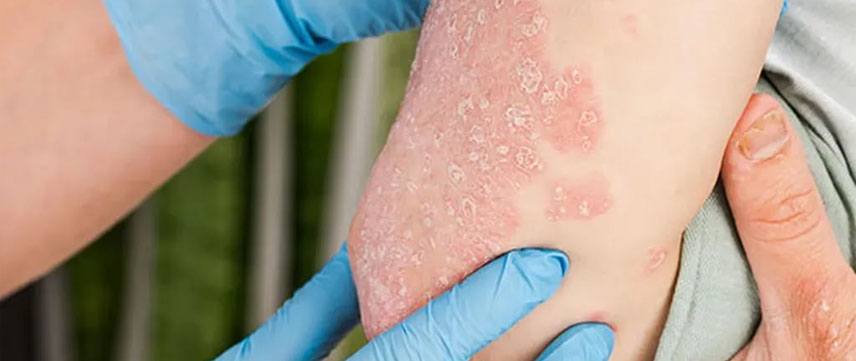
Psoriasis treatment at Derma Space, Meerut

Psoriasis

Understanding Psoriasis

Psoriasis is a long-term inflammatory skin condition that can cause thick, red, scaly, or flaky patches on the skin. These patches may appear on the elbows, knees, scalp, lower back, hands, feet, or other body areas. The condition may improve for some time and then return in the form of flare-ups, which can feel frustrating for many patients. Psoriasis is not just a surface-level skin concern and it is not caused by poor hygiene. It needs proper understanding, diagnosis, and long-term care.

At Derma Space, Dr. Tushyata evaluates the severity, affected areas, lifestyle factors, and previous treatment history before suggesting a suitable management plan.


Common Signs and Symptoms

Psoriasis symptoms may vary from person to person, but commonly include:

  • Small or large patches of red, inflamed, or scaly skin.
  • Thick plaques that may feel dry, itchy, painful, or uncomfortable.
  • Cracking, bleeding, or tightness in the skin, especially during flare-ups.
  • Scalp psoriasis that may look like stubborn dandruff, along with redness, scaling, and itching.
  • Nail changes such as pitting, thickening, rough texture, or discoloration.
  • Symptoms that may resemble other skin conditions, making self-diagnosis confusing.

Dr. Tushyata’s evaluation at Derma Space helps identify psoriasis correctly and allows to plan treatment according to the patient’s skin condition and individual needs.


Triggers That May Cause Flare-Ups

Psoriasis flare-ups may be influenced by several internal and external factors. Stress, infections, weather changes, skin injury, certain medicines, smoking, alcohol, and irregular routines may worsen symptoms in some individuals. Cold or dry weather can make the skin feel rougher and more irritated, while scratching or friction may aggravate existing patches. Since triggers can vary from person to person, it is important to understand personal patterns instead of following generic advice.

At Derma Space, Dr. Tushyata helps patients identify possible factors that may be contributing to repeated flare-ups. This makes the treatment approach more focused and supports better long-term control of the condition.


Dr. Tushyata Arora Psoriasis specialist
Psoriasis patient consultation with Dr. Tushyata Arora in Meerut

Treatment Approach at Derma Space

Psoriasis treatment depends on the type, severity, location, symptoms, and how much the condition affects daily life. The aim is to reduce scaling, calm inflammation, control itching, improve skin comfort, and minimise frequent flare-ups. Dr. Tushyata may recommend topical medications, oral medicines, lifestyle guidance, or advanced dermatology-based options depending on the patient’s condition. Since psoriasis is usually managed over time, the treatment plan must be realistic and consistent. Random use of strong creams or stopping treatment too early may lead to repeated flare-ups.

At Derma Space, the focus is on safe, personalised, and structured care with proper follow-ups to support healthier skin management.


Psoriasis Management with Dr. Tushyata

Living with psoriasis can be physically and emotionally challenging, especially when patches are visible or uncomfortable. Along with medical treatment, daily skin care and trigger management play an important role in controlling symptoms. Keeping the skin moisturised, avoiding harsh products, managing stress, and following the dermatologist’s instructions can help reduce irritation and improve comfort. It is also important to understand that psoriasis is not contagious, so patients should not feel embarrassed or isolated because of the condition.

At Derma Space, Dr. Tushyata guides patients with practical care, realistic expectations, and long-term support, helping them manage psoriasis with more confidence and better awareness.
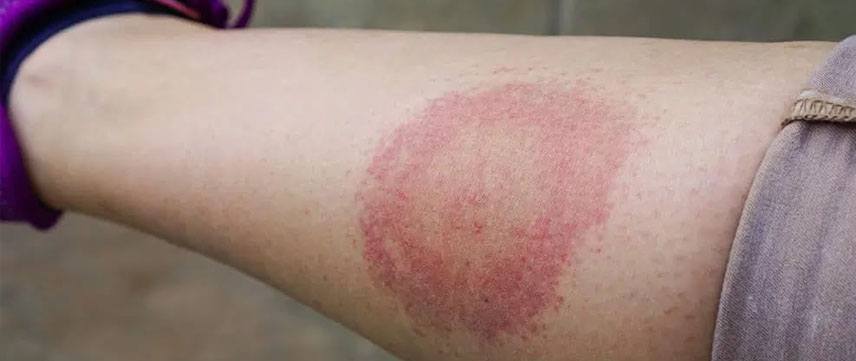

Fungal Infections treatment at Derma Space, Meerut

Fungal Infections

Understanding Fungal Infections

Fungal infections are common skin concerns that can affect different areas of the body, especially areas that remain warm, sweaty, or moist. They may appear on the feet, groin, scalp, nails, body folds, or other skin surfaces. Many people mistake them for simple itching, dryness, allergy, or heat rash and continue using random creams, which may temporarily hide symptoms but worsen the condition later. Fungal infections can also spread from one area to another if not treated properly.

At Derma Space, Dr. Tushyata evaluates the affected area, symptoms, duration, and previous treatment use before suggesting a safe and suitable management plan.


Common Signs and Symptoms

Fungal infections may show up as itching, redness, scaling, peeling, circular patches, cracks, burning, or irritation. Some infections form ring-shaped patches with clearer skin in the centre, while others appear as dark, moist, or flaky areas in body folds. Foot infections may cause peeling between the toes, bad odour, or discomfort while walking. Nail infections can make nails thick, brittle, discoloured, or uneven. Scalp fungal infections may lead to scaling, itching, or hair breakage in patches.

Since these symptoms can resemble eczema, psoriasis, or allergies, proper diagnosis is important. Dr. Tushyata’s evaluation at Derma Space helps identify the infection correctly before treatment begins.


Why Fungal Infections Keep Coming Back

Fungal infections often develop or worsen in conditions where sweat, moisture, and friction are present. Tight clothing, humid weather, excessive sweating, shared towels, damp footwear, poor drying after bathing, and prolonged use of occlusive garments can increase the chances of infection. People with diabetes, low immunity, or repeated use of steroid-mixed creams may also experience frequent or stubborn fungal infections. In many cases, the infection keeps returning because the root cause, hygiene habits, or product misuse is not addressed.

At Derma Space, Dr. Tushyata helps patients understand the possible triggers and guides them on practical steps to reduce recurrence and spread.

Dr. Tushyata Arora Fungal Infections checkup
Fungal Infections patient consultation with Dr. Tushyata Arora in Meerut

Treatment Approach at Derma Space

Treatment for fungal infections depends on the area involved, severity, duration, and whether the infection has spread or returned repeatedly. Dr. Tushyata may recommend antifungal creams, powders, oral medicines, medicated shampoos, or nail-specific treatment depending on the diagnosis. The treatment plan also includes guidance on hygiene, clothing, footwear, and prevention, because medicine alone may not be enough if the environment continues to favour fungal growth. Patients are advised to avoid self-medication, especially steroid-mixed creams, as they may make infections more difficult to treat.

At Derma Space, the approach is structured, safe, and personalised for long-term skin comfort, based on individual skin needs.


When Should You See Dr. Tushyata?

You should consult a dermatologist if itching, redness, scaling, or circular patches do not improve, keep spreading, or return after temporary relief. Medical advice is also important when the infection affects the scalp, nails, groin, feet, or large body areas. Recurrent fungal infections should not be ignored, as they may need a more detailed evaluation and proper treatment duration. It is equally important to seek help if you have used multiple creams without lasting improvement.

At Derma Space, Dr. Tushyata focuses on accurate diagnosis, correct medication, and preventive guidance, helping patients manage fungal infections safely and avoid unnecessary delays in treatment.

Derma Space Meerut Whatsapp No.