Pigmentation Management

(Melasma, freckles, uneven skin tone)

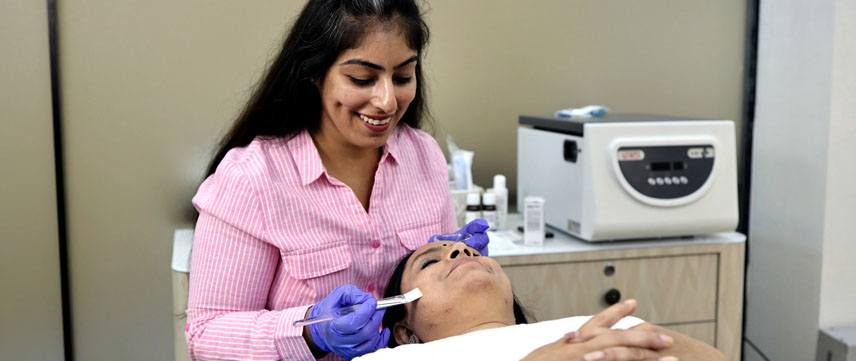
Pigmentation Management and tattoo removal treatments focus on improving concerns such as lip pigmentation, under-eye darkness, uneven skin tone, dark patches, sun spots, and unwanted tattoo pigment through dermatologist-guided care. Since pigmentation can be linked to sun exposure, hormones, acne marks, friction, inflammation, or previous product misuse, the treatment must be planned carefully. At Derma Space, Dr. Tushyata evaluates the type, depth, sensitivity, and cause of pigmentation before suggesting options such as laser toning, gold toning, or other suitable procedures. The aim is to improve skin clarity gradually while keeping safety, aftercare, and realistic expectations in focus.
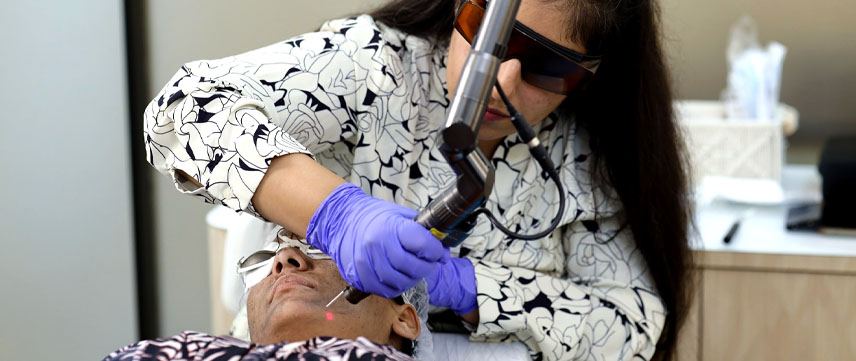
Hollywood Spectra Laser Toning treatment at Derma Space, Meerut

Hollywood Spectra Laser Toning

Understanding Hollywood Spectra Laser Toning

Hollywood Spectra Laser Toning is a gentle laser-based procedure used to improve uneven skin tone, dullness, tanning, pigmentation, and overall skin radiance. It works by targeting excess pigment in the skin with controlled laser energy, helping the skin appear clearer and more refined over time. The treatment may be considered for concerns such as facial pigmentation, sun spots, melasma support, lip pigmentation, under-eye darkness, and uneven tone.

At Derma Space, Dr. Tushyata first evaluates the patient’s skin type, pigmentation pattern, sensitivity, and previous skincare history before suggesting laser toning, so the procedure is planned safely and according to individual skin needs.


Skin Concerns It Can Help With

Hollywood Spectra Laser Toning may help with uneven skin tone, tanning, dullness, mild pigmentation, sun-induced spots, under-eye darkness, and certain types of post-acne marks. It can also be included in a broader skin-brightening or maintenance plan when the skin looks tired, patchy, or uneven. However, every type of pigmentation does not respond in the same way, and some concerns may need a combination of creams, sun protection, peels, or other procedures.

At Derma Space, Dr. Tushyata studies the depth, cause, and behaviour of pigmentation before recommending the right approach, so the treatment remains realistic, safe, and skin-specific.


Treatment Approach at Derma Space

At Derma Space, Hollywood Spectra Laser Toning is planned according to the patient’s skin tone, pigmentation concern, treatment area, and skin sensitivity. The session is usually comfortable and does not involve aggressive resurfacing, but correct technique and settings are still important for safe results.

Dr. Tushyata explains the expected number of sessions, possible improvement, aftercare, and maintenance before beginning treatment. Patients are also guided about sunscreen, gentle skincare, and avoiding harsh products around the treatment period. Since pigmentation improves gradually, the focus is on steady progress rather than instant change, with regular follow-ups whenever needed.


Aftercare and Skin Protection

After Hollywood Spectra Laser Toning, the skin may feel slightly warm or sensitive for a short time, but most patients can return to routine activities with proper care. Sunscreen becomes especially important after the procedure, as unprotected sun exposure can worsen pigmentation again. Patients are usually advised to avoid harsh scrubs, strong actives, excessive heat, and unnecessary product changes for a few days. Hydration and gentle skincare can help keep the skin calm and comfortable.

At Derma Space, Dr. Tushyata gives clear aftercare instructions based on the patient’s skin type, because good aftercare plays an important role in maintaining results safely.


Why Dermatologist Guidance Matters

Laser toning should not be treated like a routine beauty treatment, especially when pigmentation is involved. The wrong settings, poor skin preparation, or lack of aftercare can lead to irritation, patchiness, or post-procedure pigmentation, particularly in sensitive or deeper skin tones. A dermatologist-led approach helps in choosing the correct laser parameters, session gap, and supporting skincare.

At Derma Space, Dr. Tushyata focuses on identifying whether Hollywood Spectra Laser Toning is truly suitable for the patient’s concern before starting treatment. This makes the process more precise, safe, and aligned with the patient’s skin needs and long-term goals.
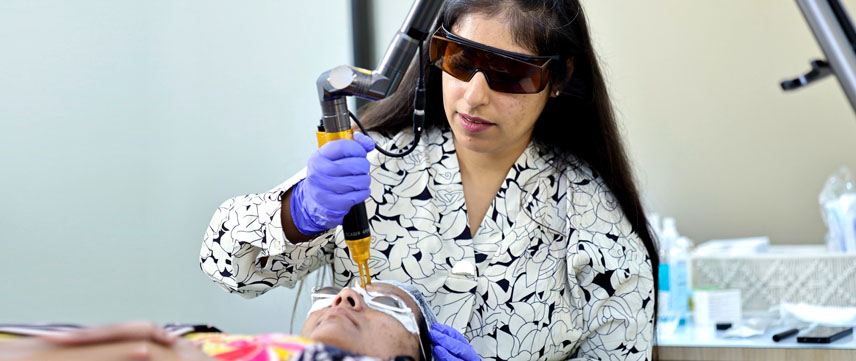
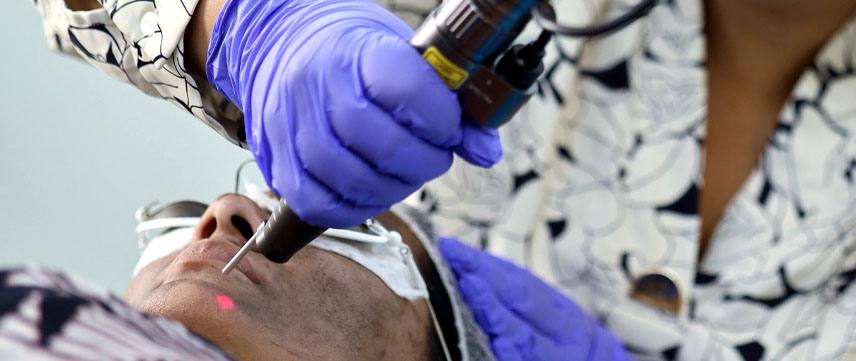
Gold Toning for Red Acne Marks laser treatment at Derma Space, Meerut

Gold Toning for Red Acne Marks

Understanding Gold Toning

Gold Toning is a laser-based treatment mainly used to reduce the appearance of red acne marks, post-acne redness, and certain types of skin flushing. These red marks often remain after active acne has settled and can make the skin look inflamed or uneven, even when breakouts are under control. Unlike brown pigmentation, redness is usually related to visible blood vessels and post-inflammatory changes in the skin.

At Derma Space, Dr. Tushyata examines whether the marks are red, brown, active acne-related, or scar-related before suggesting Gold Toning. This helps in choosing the right treatment for the right concern.


Who Can Consider This Treatment

Gold Toning may be considered by patients who have persistent red acne marks, facial redness after breakouts, or uneven red patches that do not settle with basic skincare. It is especially useful when acne has reduced but the skin continues to look irritated, flushed, or marked. However, it is important to make sure that active acne, infection, or severe inflammation is controlled before planning laser-based treatment. Some patients may also need acne management alongside redness treatment.

At Derma Space, Dr. Tushyata evaluates the skin carefully to understand whether Gold Toning is suitable or whether another approach should be started first.


Treatment Approach at Derma Space

Gold Toning at Derma Space is planned after assessing the redness, acne history, skin sensitivity, and overall skin condition. The procedure uses controlled laser energy to target redness and support a more even-looking skin tone over time.

Dr. Tushyata explains the number of sessions, expected response, aftercare, and precautions before beginning treatment. Since red acne marks may take time to fade, patients are guided with realistic expectations and a proper skincare routine. The treatment may also be combined with acne control, barrier repair, or other dermatologist-recommended care if the skin needs additional support.


Aftercare and Recovery

After Gold Toning, the skin may feel mildly warm or slightly sensitive for a short period, depending on the patient’s skin type. Gentle skincare, sunscreen, and avoiding harsh products are important after the session. Patients are usually advised not to scrub, pick acne, use strong actives without guidance, or expose the skin to excessive heat immediately after treatment. Since redness can be influenced by inflammation, sun exposure, and skin barrier damage, aftercare is an important part of maintaining improvement.

At Derma Space, Dr. Tushyata provides simple and practical post-treatment instructions so the skin remains calm and protected.


Why Personalised Treatment Is Important

Red acne marks are often confused with pigmentation or scars, but they need a different treatment approach. Brown marks, depressed scars, active acne, and redness may all be present together, which is why a proper skin evaluation is essential before starting any procedure. Treating the wrong concern may lead to limited improvement or unnecessary irritation.

At Derma Space, Dr. Tushyata identifies whether the patient needs Gold Toning, acne control, scar treatment, pigmentation care, or a combination plan. This personalised approach helps make treatment more focused, safe, and suitable for the patient’s actual skin concern.

Lip & Under Eye Lightening laser treatment at Derma Space, Meerut

Lip & Under Eye Lightening

Understanding Lip & Under Eye Pigmentation

Lip and under-eye pigmentation are common concerns that can make the face look tired, dull, or uneven. Dark lips may develop due to sun exposure, dryness, smoking, friction, allergies, genetics, or unsuitable lip products. Under-eye darkness may be linked to pigmentation, thin skin, lifestyle factors, sleep patterns, allergies, or natural facial structure. Since both areas are delicate, they need careful assessment before treatment.

At Derma Space, Dr. Tushyata evaluates the cause, depth, skin sensitivity, and lifestyle factors before suggesting a suitable lightening plan. The focus is on gradual improvement, safe care, and protecting the delicate skin around these areas.


Why Darkening May Develop

Lip and under-eye darkening can develop for different reasons, and the cause is not always the same for every patient. Lip pigmentation may worsen due to repeated licking, harsh lip balms, sun exposure, smoking, dehydration, or irritation from cosmetics. Under-eye darkness may be caused by pigmentation, visible veins, hollowness, allergies, rubbing, lack of rest, or inherited skin tendencies. Many people try random brightening creams or home remedies, which may irritate these sensitive areas further.

At Derma Space, Dr. Tushyata focuses on identifying the actual reason behind the darkness, because the right treatment depends on whether the concern is pigment, shadow, sensitivity, or lifestyle-related.


Treatment Approach at Derma Space

Treatment for lip and under-eye lightening is planned according to the cause, skin type, sensitivity, and depth of pigmentation. Dr. Tushyata may recommend dermatologist-guided skincare, gentle peels, laser-based options, mesotherapy, hydration support, or a combination plan depending on the concern. Since the lips and under-eye area are delicate, aggressive treatment is avoided, and the approach is kept careful and gradual. Patients are also guided about sunscreen, lip protection, moisturisation, allergy control, and avoiding friction or harsh products.

At Derma Space, the treatment is personalised with realistic expectations, because improvement depends on the cause and consistency of aftercare.


Aftercare and Daily Protection

Aftercare plays an important role in maintaining improvement in lip and under-eye pigmentation. Patients are usually advised to avoid rubbing the eyes, licking the lips repeatedly, using harsh scrubs, applying random brightening creams, or changing products too often. Sun protection, gentle moisturisation, and following the prescribed routine consistently can help reduce further darkening. For lips, using a suitable lip balm with protection may be recommended, while under-eye care may include gentle products suited to the skin’s tolerance.

At Derma Space, Dr. Tushyata provides simple and practical care instructions so patients can support treatment results without overwhelming their daily routine.


Why Professional Guidance Matters

Lip and under-eye lightening should be handled carefully because these areas are more sensitive than the rest of the face. A cream or treatment that works on the cheeks may not be safe around the eyes or lips. Incorrect product use can cause irritation, dryness, burning, or worsening pigmentation. Under-eye darkness may also be due to hollowness or thin skin, where lightening creams alone may not give the desired improvement.

At Derma Space, Dr. Tushyata evaluates the concern properly before suggesting treatment, helping patients avoid trial-and-error routines and choose a safer, more suitable approach for their skin.

Peels & Mesotherapy laser treatment at Derma Space, Meerut

Peels & Mesotherapy

Understanding Peels & Mesotherapy

Peels and mesotherapy are dermatologist-guided treatments used to improve concerns such as pigmentation, dullness, uneven tone, acne marks, tanning, fine texture changes, and skin hydration. Chemical peels work by gently exfoliating the upper layers of the skin using controlled medical-grade solutions, while mesotherapy involves delivering selected ingredients into the skin to support brightness, hydration, and skin quality. These treatments are not one-size-fits-all and must be chosen according to the skin concern and sensitivity.

At Derma Space, Dr. Tushyata evaluates the patient’s skin type, pigmentation pattern, acne history, and treatment goals before deciding whether peels, mesotherapy, or a combination approach is suitable.


Skin Concerns They Can Address

Peels and mesotherapy may be considered for uneven skin tone, post-acne marks, tanning, dull skin, mild pigmentation, rough texture, and early signs of skin fatigue. Certain peels may also help manage acne-prone skin by reducing congestion and improving surface clarity. Mesotherapy may be used when the skin needs hydration, glow support, or targeted nourishment. However, active acne, sensitive skin, recent irritation, or deeper pigmentation may need a different plan before these treatments are started.

At Derma Space, Dr. Tushyata carefully studies the skin concern and chooses the treatment based on what the skin actually needs, rather than following a generic brightening approach.


Treatment Approach at Derma Space

At Derma Space, peels and mesotherapy are planned after a detailed skin evaluation. Dr. Tushyata selects the type of peel, strength, session gap, or mesotherapy ingredients according to the patient’s skin tone, sensitivity, pigmentation depth, and treatment history. The procedure is explained clearly before starting, including the expected number of sessions, possible mild redness, peeling, aftercare, and maintenance.

In many cases, these treatments work best when supported with a dermatologist-recommended home routine and proper sun protection. The focus is on steady, controlled improvement, helping the skin look clearer and healthier without using unnecessarily harsh or aggressive methods.


Aftercare and Recovery

After peels or mesotherapy, the skin may feel slightly sensitive, dry, warm, or mildly red for a short time. Some peels may cause light flaking or peeling, depending on the strength used and the patient’s skin response. Patients are usually advised to avoid sun exposure, scrubbing, waxing, strong actives, steam, and frequent product changes for a few days. Sunscreen and gentle skincare become especially important during the recovery period. Picking peeling skin or using harsh products can increase irritation or pigmentation risk.

At Derma Space, Dr. Tushyata gives clear aftercare instructions to help the skin heal comfortably and maintain treatment benefits.


Why Skin Assessment Is Important

Peels and mesotherapy can give better results when they are selected for the right skin concern. Using the wrong peel strength, treating irritated skin, or doing repeated procedures without medical guidance may lead to redness, burns, dryness, acne flare-ups, or pigmentation. Skin tone, barrier health, sensitivity, and previous treatment use must be considered before planning these procedures.

At Derma Space, Dr. Tushyata ensures that the treatment is customised and safe for the patient’s skin condition. This dermatologist-led approach helps avoid unnecessary damage and supports more natural-looking, gradual improvement in skin clarity, tone, and texture.

Tattoo Removal laser treatment at Derma Space, Meerut

Tattoo Removal

Understanding Tattoo Removal

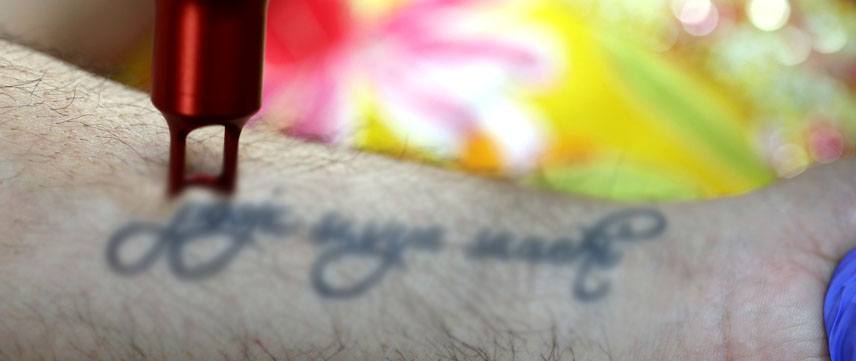
Tattoo removal is a laser-based procedure designed to reduce unwanted tattoo pigment from the skin over multiple sessions. The laser targets tattoo ink particles so the body can gradually clear them over time. The number of sessions required depends on the tattoo’s colour, size, depth, age, ink quality, location, and the patient’s skin type. Complete clearance may not always be possible for every tattoo, which is why realistic expectations are important before beginning treatment.

At Derma Space, Dr. Tushyata evaluates the tattoo and surrounding skin carefully before suggesting a removal plan that focuses on safety, gradual fading, and proper aftercare.


Factors That Affect Tattoo Removal

Tattoo removal results vary from person to person because every tattoo behaves differently. Black and dark blue inks often respond better than certain coloured inks, while green, yellow, white, or mixed pigments may be more difficult to fade. Older tattoos may respond differently from newer tattoos, and professional tattoos are usually deeper than amateur ones. The location of the tattoo, skin tone, ink density, and immune response also influence the process.

At Derma Space, Dr. Tushyata explains these factors clearly so patients understand the expected journey, session requirements, and possible limitations before starting laser tattoo removal.


Treatment Approach at Derma Space

At Derma Space, tattoo removal is planned after assessing the tattoo colour, depth, size, location, and skin sensitivity. Dr. Tushyata uses a dermatologist-guided approach to select suitable laser settings and session intervals. The procedure is done in stages because tattoo ink fades gradually and the skin needs time to heal between sessions. Patients are informed about expected discomfort, temporary redness, swelling, crusting, or fading patterns after each session.

The aim is to reduce tattoo visibility safely while lowering the risk of burns, scarring, or pigmentation changes. Each session is planned carefully according to how the skin and tattoo respond.


Aftercare and Healing

After laser tattoo removal, the treated area may feel warm, red, swollen, or slightly tender for some time. Mild crusting or temporary darkening may occur as part of the healing process. Patients are advised not to pick, scratch, rub, or expose the area to direct sun during recovery. Keeping the area clean, following the prescribed aftercare, and using sun protection are important to reduce irritation and pigmentation risk. Tight clothing or friction over the treated area should also be avoided when possible.

At Derma Space, Dr. Tushyata provides detailed aftercare guidance to support safer healing after every session.


Why Professional Guidance Matters

Tattoo removal should be performed with proper medical supervision because incorrect laser settings or poor aftercare can cause burns, scarring, uneven fading, or pigmentation changes. Different ink colours and skin types need different approaches, and pushing for overly aggressive sessions may damage the skin. A dermatologist-led plan helps balance fading with skin safety.

At Derma Space, Dr. Tushyata evaluates the tattoo realistically, explains what can and cannot be achieved, and plans sessions with appropriate gaps. This helps patients make informed decisions and go through the removal process with better clarity, safety, and confidence.

Dr. Tushyata Arora

(Dermatologist, Venereologist & Leprologist)

View Profile | Book Now

Timings

  • Mon–Sat 10 AM – 02 PM
  • Mon–Sat 4:30 PM – 6:30 PM
  • Sunday Closed
Derma Space Meerut Whatsapp No.