Vitiligo and Leucoderma
Understanding Vitiligo & Leucoderma
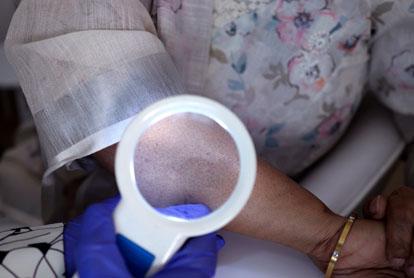
Vitiligo and leucoderma are skin conditions where certain areas of the skin lose their natural colour, leading to white or lighter patches. This happens when pigment-producing cells in the skin stop functioning properly or reduce in number. These patches may appear on the face, hands, feet, lips, around the eyes, or other body areas. While the condition is not contagious, it can affect confidence and emotional well-being, especially when the patches are visible.
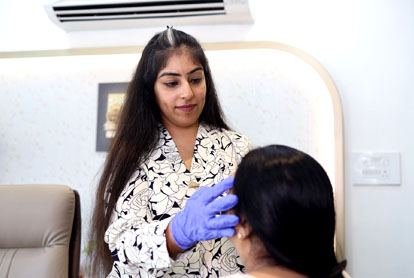
At Derma Space, Dr. Tushyata carefully examines the pattern, spread, duration, and possible triggers before suggesting a suitable treatment and long-term care plan for the patient’s skin needs.
Common Signs and Patterns
Vitiligo and leucoderma may begin as small, pale, or white patches that gradually become more noticeable over time. The patches may be well-defined and can appear on one area or multiple parts of the body. Some people may notice white patches around the mouth, fingers, elbows, knees, or private areas, while others may experience changes in hair colour over the affected skin. The spread can be slow, stable, or occasionally faster, depending on the individual. Since white patches can occur due to different reasons, self-diagnosis may not be accurate.
Dr. Tushyata’s evaluation at Derma Space helps identify the condition correctly and plan appropriate care.
Why White Patches May Develop
White patches may develop due to several reasons, including vitiligo, skin injury, burns, infections, allergies, chemical exposure, or post-inflammatory changes after certain skin conditions. Vitiligo is often linked with an immune-related response where the body affects its own pigment-producing cells. Family history, stress, skin trauma, and certain health conditions may also play a role in some cases. However, every white patch is not vitiligo, which is why proper diagnosis is important before starting treatment.
At Derma Space, Dr. Tushyata focuses on understanding the cause, stability, and activity of the patches, so the treatment approach is safe, practical, and based on medical evaluation.

Treatment Approach at Derma Space
Treatment for vitiligo and leucoderma depends on the size, location, duration, spread, and whether the patches are active or stable. Dr. Tushyata may recommend topical medicines, oral medicines, light-based therapy, camouflage guidance, or other dermatology-based options depending on the patient’s condition. The aim is to control spread, support repigmentation where possible, and improve the overall appearance of affected areas with realistic expectations. Since treatment response can vary from person to person, regular follow-ups and patience are important.
At Derma Space, every plan is explained clearly, with safe treatment choices, skin protection advice, and long-term guidance tailored to the patient’s needs.
Skin Care Guidance and Support
Living with vitiligo or leucoderma can feel emotionally difficult, especially when patches are visible or misunderstood by others. It is important to remember that these conditions are not contagious and do not spread through touch, sharing food, or close contact. Daily care may include sun protection, avoiding harsh chemicals, preventing skin injury, and following the dermatologist’s prescribed routine consistently. Random creams, home remedies, or aggressive treatments should be avoided, as they may irritate the skin or worsen sensitivity.
At Derma Space, Dr. Tushyata supports patients with medical care, practical skincare guidance, and reassurance, helping them manage the condition with better awareness and confidence.