Vascular Disorders
Understanding Vascular Skin Disorders
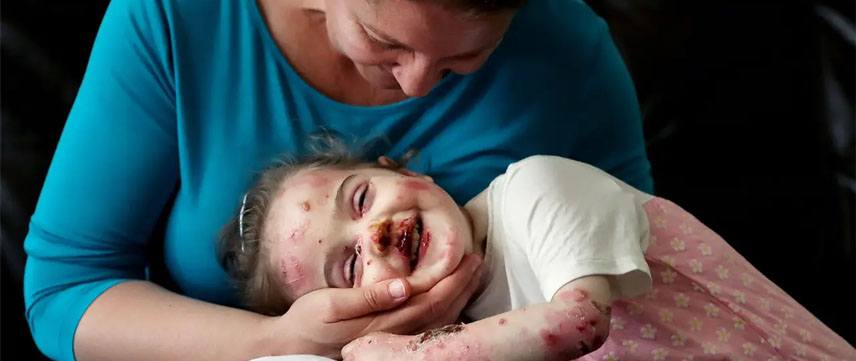
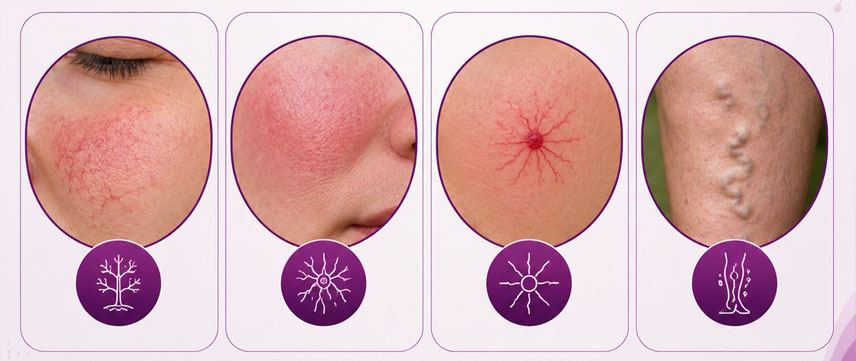
Vascular disorders of the skin involve changes in blood vessels, circulation, or vessel inflammation. These concerns may appear as redness, visible veins, purple patches, swelling, ulcers, bruising, colour changes, or painful skin changes. Some vascular conditions are mild and cosmetic, while others may indicate inflammation, poor circulation, clotting issues, or systemic health concerns. Since the skin can show early signs of vascular problems, timely evaluation is important.
At Derma Space, Dr. Tushyata examines the appearance, location, duration, and associated symptoms to understand the possible cause and guide patients toward suitable care.
Common Signs and Symptoms
Vascular disorders may show as red or purple spots, spider veins, sudden bruising, swelling, leg discoloration, painful patches, non-healing wounds, or ulcers. Some patients may experience burning, tenderness, heaviness, or skin changes that worsen after standing for long hours. In certain conditions, the skin may become thin, dark, itchy, or prone to repeated wounds. These symptoms can sometimes be mistaken for allergy, injury, infection, or pigmentation.
Dr. Tushyata’s evaluation at Derma Space helps identify whether the concern is limited to the skin or needs further investigation for circulation or inflammation-related causes.
Treatment Approach at Derma Space
Treatment for vascular disorders depends on the diagnosis, severity, location, and whether the condition is related to circulation, inflammation, or fragile blood vessels. Dr. Tushyata may recommend medicines, skincare support, wound care, compression advice where suitable, or further tests if required. Some cases may need coordination with other specialists for complete management. The aim is to reduce discomfort, protect the skin, prevent worsening, and manage visible or symptomatic changes safely.
At Derma Space, patients receive a structured plan with clear guidance and realistic expectations based on their condition.

When Should You See a Dermatologist?
You should consult a dermatologist if you notice unexplained bruising, purple spots, persistent redness, leg discoloration, swelling, painful patches, or wounds that are not healing. Medical attention is especially important if the changes are spreading, recurring, or associated with fever, pain, or other health symptoms. Avoid applying random creams or delaying evaluation, as vascular skin changes may need proper diagnosis.
At Derma Space, Dr. Tushyata provides careful assessment, skin care guidance, and further evaluation when needed to support safer and more effective management.