Scar & Stretch Marks Management

(Acne scars, burn, traumatic & surgical scars)

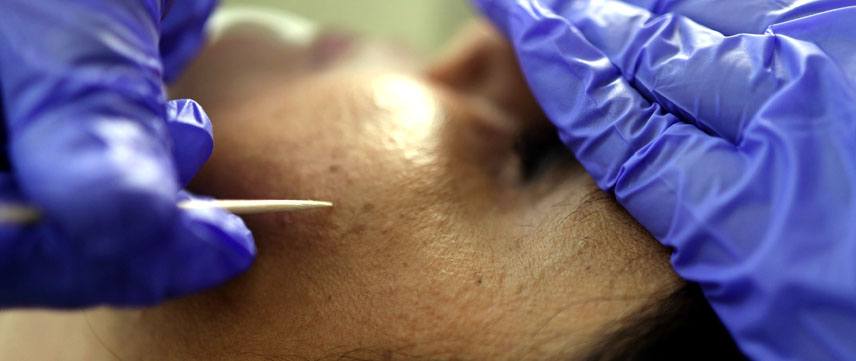
Scar management and skin resurfacing focus on improving the appearance, texture, and visibility of scars caused by acne, stretch marks, burns, injuries, or surgery. Scars can differ in depth, colour, thickness, and texture, which is why every scar needs a personalised assessment before treatment. At Derma Space, Dr. Tushyata evaluates the type of scar, skin quality, healing pattern, and patient expectations before suggesting suitable options such as lasers, microneedling, subcision, TCA Cross, or combination-based treatments. The aim is to support smoother-looking skin, improve uneven texture, and guide patients with realistic expectations and proper aftercare.
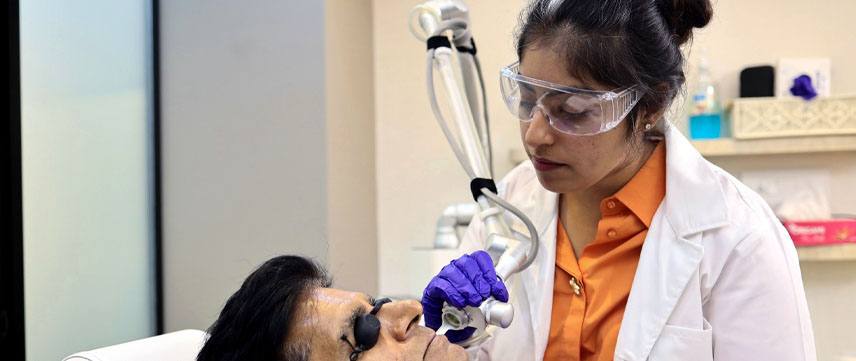
Fractional CO2 Laser treatment at Derma Space, Meerut

Fractional CO2 Laser

Understanding Fractional CO2 Laser

Fractional CO2 Laser is an advanced skin resurfacing procedure used to improve uneven skin texture, acne scars, fine lines, enlarged pores, and certain types of scars. The laser creates controlled micro-injuries in the skin, which support the skin’s natural repair process and collagen remodelling over time. Since it works at a deeper level than regular facials or surface treatments, it requires proper assessment, preparation, and aftercare.

At Derma Space, Dr. Tushyata evaluates the patient’s skin type, scar depth, pigmentation tendency, sensitivity, and treatment goals before recommending Fractional CO2 Laser. This ensures a more suitable and carefully planned approach.


Skin Concerns It Can Help With

Fractional CO2 Laser may be considered for acne scars, traumatic scars, surgical scars, burn marks, stretch marks, rough texture, sun damage, fine lines, and certain resurfacing needs. It is especially useful when the skin has uneven texture or depressed scars that require collagen stimulation. However, not every scar or skin type is treated in the same way, and some patients may need combination treatments for better improvement.

At Derma Space, Dr. Tushyata studies the type of scar, its depth, location, and surrounding skin quality before deciding whether Fractional CO2 Laser is suitable or if another approach should be combined.


Treatment Approach at Derma Space

The treatment plan for Fractional CO2 Laser is customised according to the patient’s concern, skin condition, and tolerance. Before the procedure, Dr. Tushyata explains preparation, expected downtime, session gap, aftercare, and realistic improvement. The laser settings are chosen carefully to balance effectiveness with skin safety. Since skin healing continues gradually after the procedure, results are seen over time rather than immediately. Patients may need more than one session depending on the concern being treated.

At Derma Space, the focus is on structured treatment, proper skin preparation, and guided recovery to support smoother-looking and healthier skin texture.


Aftercare and Recovery

After Fractional CO2 Laser, the skin may appear red, swollen, sensitive, or slightly crusted for a few days, depending on the intensity of treatment. Proper aftercare is very important to support healing and reduce the risk of pigmentation, irritation, or infection. Patients are usually guided to use gentle skincare, avoid sun exposure, apply sunscreen regularly, and avoid scrubbing or active products until the skin recovers. Makeup and certain products may need to be avoided for a short period.

At Derma Space, Dr. Tushyata provides clear aftercare instructions and follow-up guidance so that healing remains smooth and well-monitored.


Why Dermatologist-Led Treatment Matters

Fractional CO2 Laser is a powerful procedure and should be performed only after proper skin evaluation. When done without medical guidance, it may lead to burns, pigmentation, prolonged redness, infection, or worsening of marks, especially in sensitive or darker skin tones. A dermatologist-led approach helps in choosing the right patient, right settings, right session gap, and right aftercare.

At Derma Space, Dr. Tushyata plans the treatment carefully after understanding the patient’s concern and skin behaviour. The aim is to improve skin texture gradually while keeping safety, comfort, and realistic expectations at the centre of the treatment journey.
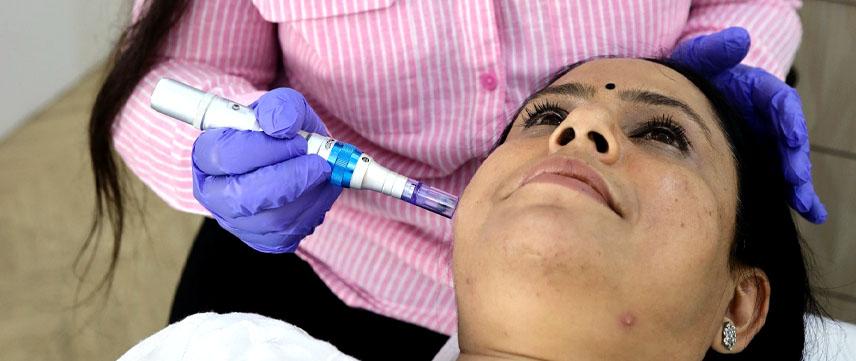
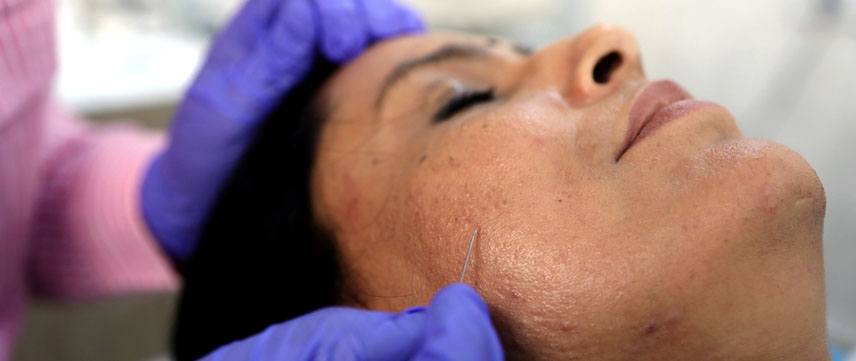
Microneedling & Dermaroller treatment at Derma Space, Meerut

Microneedling & Dermaroller

Understanding Microneedling & Dermaroller

Microneedling and dermaroller treatments are collagen-induction procedures that create tiny controlled punctures in the skin to support its natural repair process. These procedures may help improve acne scars, open pores, uneven texture, stretch marks, fine lines, and overall skin quality over time. The treatment encourages collagen and elastin formation, which can gradually make the skin look smoother and more refined. However, results depend on the depth of scars, skin type, healing ability, and number of sessions.

At Derma Space, Dr. Tushyata evaluates the skin carefully before suggesting whether microneedling, dermaroller, or another scar treatment would be more suitable.


Skin Concerns It Can Address

Microneedling and dermaroller treatments may be considered for mild to moderate acne scars, stretch marks, dull texture, enlarged pores, fine lines, and certain superficial scars. They are often chosen when the skin needs collagen stimulation without very aggressive resurfacing. In some cases, microneedling may be combined with other treatments for better scar improvement. The procedure is not suitable for active acne, skin infection, uncontrolled inflammation, or certain sensitive skin conditions, which is why assessment is important.

At Derma Space, Dr. Tushyata checks the skin condition, active concerns, and previous treatment history before planning a safe and appropriate session.


Treatment Approach at Derma Space

At Derma Space, microneedling and dermaroller sessions are planned according to the patient’s skin concern, scar depth, skin sensitivity, and treatment goals. The procedure is performed under proper hygiene and dermatologist supervision to reduce the risk of infection or irritation.

Dr. Tushyata explains the number of sessions, expected improvement, aftercare, and healing period before beginning treatment. Since collagen formation takes time, visible changes usually develop gradually with repeated sessions. The aim is to improve skin texture in a safe, controlled, and realistic way, while ensuring that the patient understands the process and follows proper post-treatment care.


Aftercare and Healing

After microneedling or dermaroller treatment, the skin may feel red, warm, sensitive, or slightly tight for a short period. Mild dryness or peeling may also occur as the skin begins to heal. Patients are usually advised to avoid sun exposure, makeup, sweating, harsh actives, scrubbing, and unapproved products for a few days. Using sunscreen and gentle skincare is important after the session. Picking or rubbing the treated skin should be avoided to prevent irritation or marks.

At Derma Space, Dr. Tushyata provides clear aftercare guidance so the skin can recover comfortably and the treatment can work more effectively over time.


Why Professional Care Is Important

Microneedling may look simple, but it should not be done casually or at home without proper knowledge. Incorrect needle depth, poor hygiene, active acne, or unsuitable technique can lead to infection, pigmentation, irritation, or worsening of scars. A dermatologist-led procedure ensures that the treatment depth, session spacing, and aftercare are chosen according to the patient’s skin condition.

At Derma Space, Dr. Tushyata focuses on safe collagen stimulation, proper skin preparation, and realistic treatment planning. This helps patients receive a more structured approach instead of depending on random devices, salon procedures, or unsafe home-based techniques.

Subcision & Hidrocision treatment at Derma Space, Meerut

Subcision & Hidrocision

Understanding Subcision & Hidrocision

Subcision and hidrocision are scar-releasing procedures used mainly for depressed acne scars, especially scars that are pulled down by fibrous bands under the skin. These bands can make the skin look uneven, tethered, or dimpled. Subcision helps release these bands using a specialised technique, while hidrocision uses fluid-assisted separation to support scar release in selected cases. These procedures are usually considered when surface treatments alone may not be enough.

At Derma Space, Dr. Tushyata carefully evaluates the type of acne scars, skin thickness, depth, and tethering before deciding whether subcision or hidrocision is suitable.


Scars That May Need This Treatment

Subcision and hidrocision are commonly considered for rolling scars, tethered scars, and depressed acne scars that create uneven shadows on the face. These scars may not respond well to creams or superficial procedures because the problem lies below the skin surface. Some traumatic or surgical scars may also need scar release depending on their depth and attachment. However, not all acne scars require subcision, and some may respond better to laser, microneedling, TCA Cross, or combination treatments.

At Derma Space, Dr. Tushyata identifies the scar type first, because correct treatment selection is essential for meaningful improvement.


Treatment Approach at Derma Space

The treatment plan for subcision or hidrocision is customised according to scar depth, number of scars, skin type, and patient comfort. Dr. Tushyata explains the procedure, expected swelling, bruising, aftercare, session gap, and realistic improvement before treatment. In some cases, subcision may be combined with other procedures such as laser, microneedling, PRP, or fillers, depending on what the scar requires. Since scar correction is usually a gradual process, multiple sessions may be needed.

At Derma Space, the aim is to release tethered scars safely and improve skin texture through a planned, step-by-step approach.


Recovery and Aftercare

After subcision or hidrocision, mild swelling, bruising, tenderness, or firmness may be noticed in the treated area. These changes are expected and usually improve gradually with proper care. Patients are advised to avoid massaging the area unless instructed, avoid harsh skincare, protect the skin from sun exposure, and follow the prescribed aftercare routine. It is also important to avoid planning the treatment just before an important event, as some downtime may be needed.

At Derma Space, Dr. Tushyata guides patients with clear recovery instructions and follow-up care to support safe healing and reduce unnecessary discomfort.


Why Scar Evaluation Matters

Scar treatment works best when the correct technique is matched with the correct scar type. Subcision and hidrocision are useful for selected scars, but they may not be the right choice for ice-pick scars, raised scars, active acne, or certain sensitive skin conditions. Without proper evaluation, scar procedures may give limited improvement or cause avoidable side effects.

At Derma Space, Dr. Tushyata studies the scars from different angles, checks their depth and attachment, and then suggests a treatment plan. This personalised approach helps make scar management more precise, safe, and realistic for the patient.

TCA Cross treatment at Derma Space, Meerut

TCA Cross

Understanding TCA Cross

TCA Cross is a specialised scar treatment used mainly for deep, narrow acne scars such as ice-pick scars. In this procedure, a controlled amount of trichloroacetic acid is applied carefully inside selected scars to stimulate healing and collagen formation. It is not applied like a regular peel over the entire face, which is why precision is very important. The treatment works gradually, and improvement is usually seen over multiple sessions.

At Derma Space, Dr. Tushyata evaluates the scar type, skin tone, scar depth, and pigmentation tendency before deciding whether TCA Cross is suitable for the patient’s acne scars.


Scars That Respond to TCA Cross

TCA Cross is generally considered for ice-pick scars, narrow boxcar scars, and small deep acne scars that appear like tiny pits in the skin. These scars are often difficult to improve with creams or surface-level treatments because they extend deeper into the skin. TCA Cross targets individual scars rather than the entire skin surface, making it useful for selected scar patterns. However, rolling scars, raised scars, active acne, or broad texture concerns may need other treatments.

At Derma Space, Dr. Tushyata carefully identifies the scar type before planning TCA Cross, as correct selection is important for safer and better outcomes.


Treatment Approach at Derma Space

At Derma Space, TCA Cross is performed with precision after proper skin evaluation and counselling. Dr. Tushyata explains the procedure, expected frosting, crusting, healing time, number of sessions, and aftercare before beginning treatment. Since the chemical is applied only to selected scars, careful technique is essential to avoid unnecessary irritation or pigmentation. Patients may require multiple sessions spaced apart, depending on the depth and number of scars.

TCA Cross may also be combined with other procedures such as laser, microneedling, or subcision for broader scar improvement. The plan is customised according to the patient’s skin and scar pattern.


Aftercare and Healing

After TCA Cross, the treated spots may temporarily turn white, then form small crusts or scabs as the skin heals. These should not be picked, scratched, or forcibly removed, as doing so may increase the risk of marks or irritation. Sunscreen, gentle skincare, and avoiding harsh products are important during the healing phase. Mild redness or darkening may occur temporarily, especially in skin prone to pigmentation, which is why aftercare must be followed carefully.

At Derma Space, Dr. Tushyata provides detailed post-procedure instructions to support safe healing and reduce the chances of avoidable side effects.


Why Expertise Is Important

TCA Cross requires careful handling because it involves applying a strong chemical to very specific scars. If done incorrectly, it can cause burns, pigmentation, widening of scars, or uneven skin tone. The procedure should be performed only after confirming that the scar type is suitable and the skin is prepared for treatment.

At Derma Space, Dr. Tushyata uses a dermatologist-led approach to decide the strength, placement, and session plan. The aim is to improve selected deep scars gradually while keeping skin safety, healing quality, and realistic expectations as the priority throughout the treatment journey.

Dr. Tushyata Arora

(Dermatologist, Venereologist & Leprologist)

View Profile | Book Now

Timings

  • Mon–Sat 10 AM – 02 PM
  • Mon–Sat 4:30 PM – 6:30 PM
  • Sunday Closed
Derma Space Meerut Whatsapp No.