Keloid treatment at Derma Space, Meerut

Keloid Management

Understanding Keloid Management

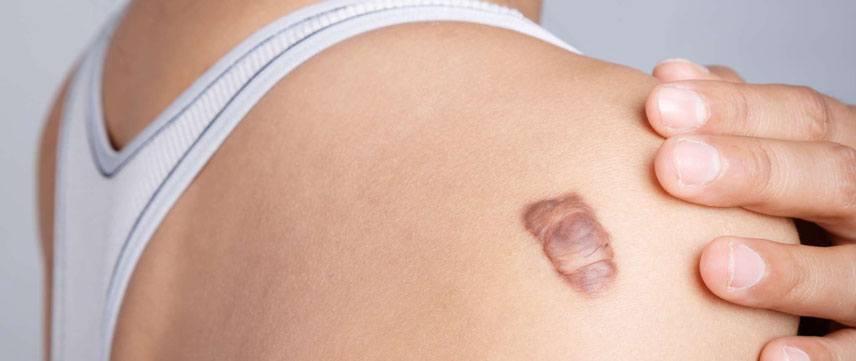
Keloid management focuses on treating raised, thick scars that grow beyond the original wound area and may continue to become more noticeable over time. Keloids can develop after acne, burns, cuts, surgery, piercings, injections, tattoos, or even minor skin injuries. They may feel firm, itchy, painful, tight, or cosmetically disturbing, especially when present on visible areas like the chest, shoulders, jawline, back, or ears.

At Derma Space, Dr. Tushyata evaluates the scar’s size, thickness, location, activity, symptoms, and previous treatment history before suggesting a suitable management plan. The approach is planned carefully because every keloid behaves differently.


When Keloid Treatment May Be Needed

Keloid treatment may be considered when a scar is raised, growing, painful, itchy, tight, or causing discomfort due to friction from clothes or jewellery. Some patients seek treatment because the scar is visible and affects their confidence, while others may need care because the keloid keeps returning after previous procedures. Keloids on the ears after piercing, acne-related keloids on the jawline, or thick scars on the chest and shoulders often need structured care.

At Derma Space, Dr. Tushyata examines whether the keloid is active, stable, inflamed, or recurrent before deciding the most appropriate treatment approach.


Treatment Approach at Derma Space

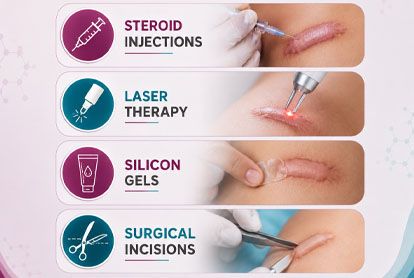
At Derma Space, keloid management is customised according to the scar’s behaviour, thickness, symptoms, and location. Dr. Tushyata may recommend medicated injections, silicone-based care, pressure support, laser-based procedures, topical medicines, or combination treatment depending on the case. In selected situations, surgical removal may be discussed carefully, but it is usually planned with preventive measures because keloids can return if treated incorrectly.

The aim is to reduce thickness, itching, pain, and visibility while keeping recurrence risk in mind. Patients are guided with realistic expectations, as keloid treatment often needs multiple sessions and consistent follow-up for better control.

Dr. Tushyata Arora Keloid specialist
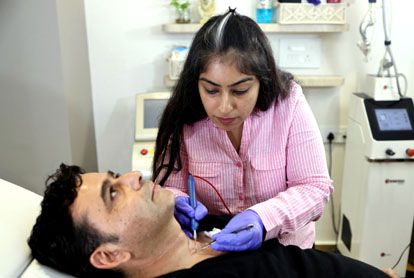
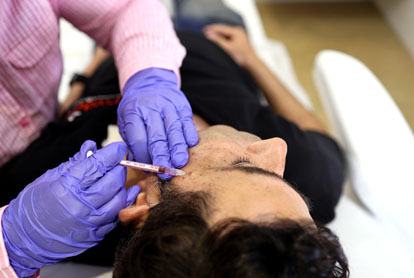
Keloid patient consultation with Dr. Tushyata Arora in Meerut

Aftercare and Scar Protection

After keloid treatment, proper aftercare is important to reduce irritation and support better scar control. Patients may be advised to avoid scratching, rubbing, pressure, unnecessary piercing, tattooing, or trauma over keloid-prone areas. If injections, laser, or other procedures are performed, Dr. Tushyata provides specific instructions for skin care, sun protection, product use, and follow-up visits. Keloids may respond slowly, so regular monitoring helps assess whether the scar is flattening, softening, or becoming less symptomatic.

At Derma Space, aftercare is explained in a practical way so patients can protect the treated area and avoid habits that may trigger further scar activity.


Why Professional Management Matters

Keloids should not be cut, scratched, or self-treated without proper medical advice, as incorrect handling may make them larger, thicker, or more difficult to manage. Many patients try random creams or home remedies, but raised scars often need a more targeted plan. A dermatologist-led approach helps identify whether the scar is a keloid, hypertrophic scar, acne scar, or another skin growth before treatment begins.

At Derma Space, Dr. Tushyata focuses on careful diagnosis, safe treatment selection, and long-term scar control. This helps patients understand their condition better and choose a treatment path that is realistic and medically appropriate.
Warts, Moles & Skin Tags Removal at Derma Space, Meerut

Warts, Moles & Skin Tags Removal

Understanding Warts, Moles & Skin Tags

Warts, moles, and skin tags are common skin growths, but they are not the same condition and should be assessed before removal. Warts are usually viral growths that may spread through contact or scratching. Moles are pigmented skin growths that can be present from birth or develop over time. Skin tags are soft, small growths often seen around the neck, underarms, eyelids, or body folds.

At Derma Space, Dr. Tushyata examines the type, size, location, symptoms, and appearance of the growth before suggesting removal, because the right method depends on what the lesion actually is.


When Removal May Be Considered

Removal may be considered when warts are spreading, painful, or cosmetically concerning; when skin tags cause friction, irritation, or discomfort; or when moles are raised, frequently injured, or aesthetically bothersome. Any mole that changes in size, shape, colour, border, or starts bleeding, itching, or becoming painful should be evaluated carefully before removal. Warts around nails, soles, face, or sensitive areas may also need medical care instead of home treatment.

At Derma Space, Dr. Tushyata checks whether the growth is suitable for simple removal or whether it needs closer assessment before any procedure is planned.


Treatment Approach at Derma Space

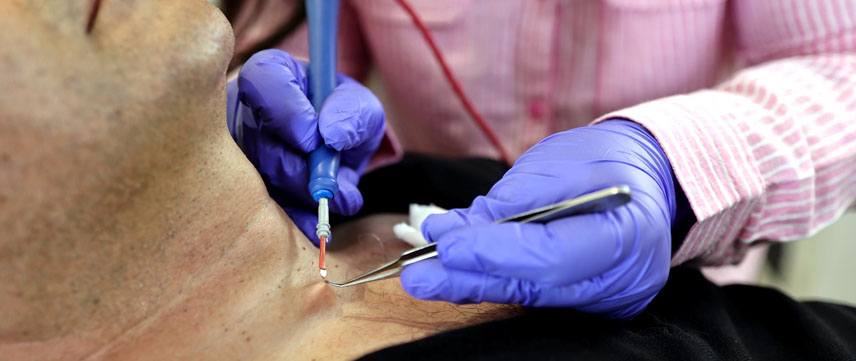
At Derma Space, removal of warts, moles, and skin tags is planned according to the type of growth, its depth, location, number, and skin sensitivity. Dr. Tushyata may use procedures such as cautery, radiofrequency, cryotherapy, excision, or other dermatologist-guided methods depending on the concern. Warts may need treatment that also considers recurrence and spread, while moles require careful assessment before removal.

Skin tags are usually removed with attention to comfort, hygiene, and cosmetic outcome. The procedure, expected healing, aftercare, and possible marks are explained clearly so patients know what to expect before treatment begins.

Warts, Moles & Skin Tags Removal specialist
Warts, Moles & Skin Tags Removal patient with Dr. Tushyata Arora in Meerut

Aftercare and Healing

After removal, the treated area may have mild redness, crusting, tenderness, or temporary darkening as it heals. Patients are usually advised to keep the area clean, avoid scratching or picking scabs, protect the skin from sun exposure, and follow the prescribed aftercare routine. Makeup, harsh products, friction, or unnecessary touching may need to be avoided for a short time depending on the area treated. Healing can vary based on the size and depth of the growth removed.

At Derma Space, Dr. Tushyata provides clear aftercare guidance to support comfortable recovery and reduce the chances of infection, marks, or irritation.


Why Dermatologist-Led Removal Is Safer

Warts, moles, and skin tags should not be removed using random acids, blades, threads, or home remedies, as this can lead to burns, infection, scarring, incomplete removal, or missed diagnosis. This is especially important for moles, because any suspicious change must be evaluated before cosmetic removal. A dermatologist-led procedure helps ensure that the lesion is identified correctly and treated with a suitable method.

At Derma Space, Dr. Tushyata focuses on safe assessment, clean technique, and realistic expectations. The goal is to remove suitable skin growths with proper care while protecting the surrounding skin as much as possible.

Derma Space Meerut Whatsapp No.