Alopecia Areata treatment at Derma Space, Meerut

Alopecia Areata (Patchy Hair Loss) Treatment

Understanding Alopecia Areata

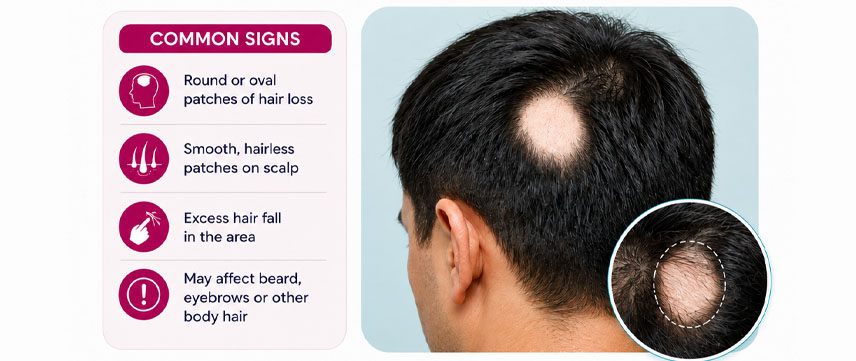
Alopecia Areata is a type of patchy hair loss where hair suddenly falls out from one or more areas, most commonly on the scalp. It may also affect the beard, eyebrows, eyelashes, or other hair-bearing areas. The affected patch usually looks smooth, without visible scaling or scarring, but the pattern can vary from person to person. This condition can feel worrying because it often appears unexpectedly.

At Derma Space, Dr. Tushyata examines the size, number, and activity of the patches, along with the patient’s medical history, before planning a treatment approach that is specific to the individual concern.


Common Signs and Patterns

Alopecia Areata often begins as a small round or oval patch of hair loss. Some patients notice it while combing or washing their hair, while others discover it when someone points it out. The patch may remain the same, slowly improve, or increase in size over time. In some cases, new patches may appear on other areas. The skin may look normal, though mild itching, tingling, or sensitivity can sometimes be felt.

Since patchy hair loss can also occur due to fungal infections, traction, or other scalp conditions, proper diagnosis is important before starting treatment at Derma Space.


Treatment Approach at Derma Space

Treatment for Alopecia Areata depends on the number of patches, duration of hair loss, activity of the condition, age of the patient, and overall scalp health. Dr. Tushyata may suggest topical medicines, targeted injections, oral medicines, or supportive therapies depending on the case. The goal is to calm the activity of the condition and support hair regrowth wherever possible. Since response can differ from patient to patient, the treatment plan is explained with realistic expectations and regular follow-ups.

At Derma Space, care is planned step by step, so patients do not depend on random oils, creams, or incomplete treatments.
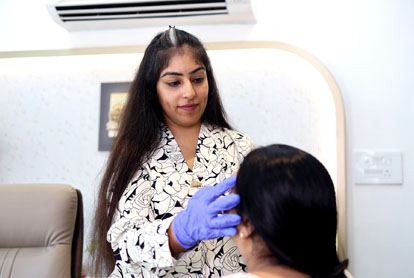

Dr. Tushyata Arora Alopecia Areata specialist
Alopecia Areata patient consultation with Dr. Tushyata Arora in Meerut

Why Diagnosis Matters

Patchy hair loss should not be treated casually because different conditions can look similar in the beginning. Alopecia Areata, scalp infection, scarring hair loss, hair pulling, nutritional concerns, or inflammation may all need different treatment plans. A close scalp examination helps understand whether the hair follicles are active and whether regrowth is possible.

In selected cases, Dr. Tushyata may advise tests if the history suggests an associated trigger or health concern. At Derma Space, the focus is on identifying the cause correctly first, so treatment becomes more meaningful, safe, and suitable for the patient’s actual condition.


When Should You Consult a Dermatologist?

You should consult a dermatologist if you notice sudden bald patches, repeated patchy hair loss, eyebrow or beard involvement, or hair fall that is spreading. Early consultation can help reduce confusion and prevent unnecessary self-treatment. Many patients try home remedies, strong oils, or over-the-counter creams before seeking help, but these may not address the actual cause. Alopecia Areata can also affect confidence, especially when the patches are visible.

At Derma Space, Dr. Tushyata provides a calm, structured, and practical treatment plan, helping patients understand the condition better and follow the right steps with confidence.
Scalp Disorders & Dandruff treatment at Derma Space, Meerut

Scalp Disorders & Dandruff

Understanding Scalp Disorders & Dandruff

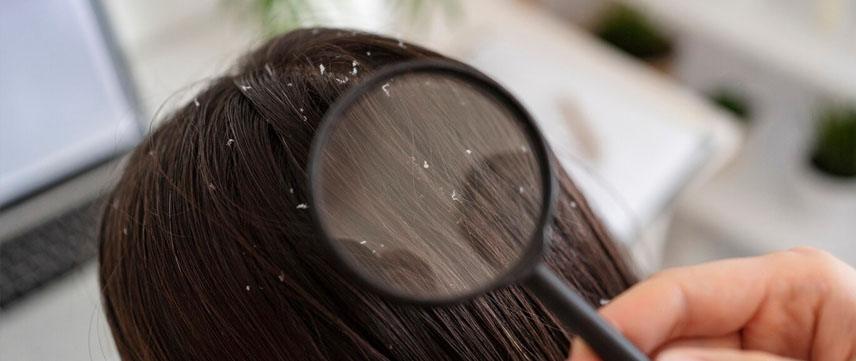
Scalp disorders include concerns such as dandruff, itching, flaking, redness, oiliness, dryness, sensitivity, scalp acne, infections, and inflammation. Dandruff is one of the most common scalp problems, but it is not always just a cosmetic issue. It may cause visible flakes, irritation, greasiness, and discomfort, and in some people, it may also be associated with increased hair fall. Recurrent dandruff needs proper assessment instead of repeated shampoo changes.

At Derma Space, Dr. Tushyata examines the scalp condition, severity of flaking, itching, oiliness, redness, and hair fall pattern before suggesting a suitable treatment plan.


Common Signs and Symptoms

Scalp problems may appear as white flakes, yellowish greasy scales, itching, redness, burning, pimples, crusting, dryness, or sensitivity. Some people notice flakes on their shoulders, while others feel constant irritation or heaviness on the scalp. In more active cases, scratching can lead to soreness, small wounds, or increased discomfort. Not all scalp flaking is dandruff; similar symptoms may be seen in scalp psoriasis, fungal infections, eczema, product buildup, or allergy to hair products.

At Derma Space, Dr. Tushyata identifies the exact nature of the scalp concern before recommending treatment, so the care is more accurate and targeted.


Why Scalp Problems Keep Returning

Dandruff and other scalp concerns can keep coming back due to oiliness, sweating, weather changes, stress, irregular washing, product buildup, fungal overgrowth, harsh shampoos, or an underlying inflammatory scalp condition. Some patients apply heavy oil during active dandruff, which can worsen greasiness and flakes in certain scalp types. Others keep changing shampoos without understanding the cause, leading to temporary relief but repeated flare-ups.

At Derma Space, Dr. Tushyata helps patients identify what may be triggering their scalp condition and guides them with a practical routine that suits their scalp type, lifestyle, and hair care habits.

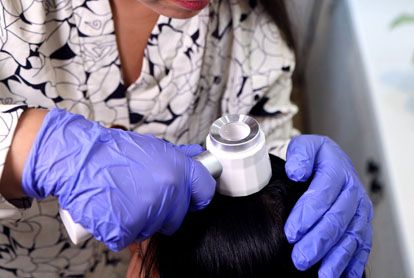
Dr. Tushyata Arora Scalp Disorders & Dandruff specialist
Scalp Disorders & Dandruff patient consultation with Dr. Tushyata Arora in Meerut

Treatment Approach at Derma Space

Treatment for scalp disorders and dandruff depends on the cause, severity, recurrence, and whether hair fall, redness, or infection is also present. Dr. Tushyata may recommend medicated shampoos, scalp lotions, antifungal care, anti-inflammatory medicines, product changes, or further evaluation when needed.

The treatment plan is customised because an oily, flaky scalp needs a different approach from a dry, sensitive, or inflamed scalp. Patients are also guided on the correct way to use medicated products, how often to wash hair, and when to return for follow-up. At Derma Space, the aim is to reduce symptoms and improve scalp comfort.


Long-Term Scalp Care Guidance

Long-term scalp care is important when dandruff or irritation keeps returning. Patients are usually advised to avoid scratching, overusing random anti-dandruff shampoos, applying unsuitable oils, or changing products too frequently. A simple and consistent routine often works better than using too many products together. It is also important to seek medical advice if dandruff is severe, associated with redness, painful bumps, thick scaling, or noticeable hair fall.

At Derma Space, Dr. Tushyata provides clear scalp care guidance that patients can follow in daily life, helping them manage recurring scalp concerns with better understanding and confidence.

Derma Space Meerut Whatsapp No.