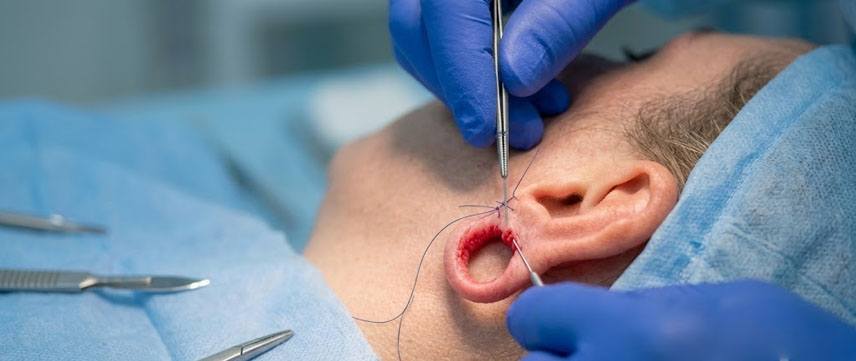
Ear Lobe Repair surgery at Derma Space, Meerut

Ear Lobe Repair

Understanding Ear Lobe Repair

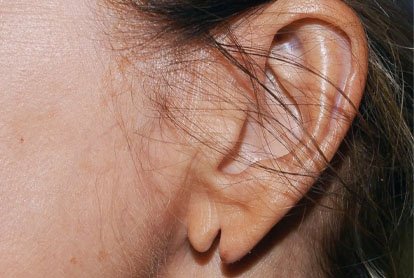
Ear lobe repair is a minor dermatology procedure used to correct torn, stretched, split, or elongated ear lobes. This may happen because of heavy earrings, accidental pulling, repeated piercing, trauma, ageing, or gradual widening of the piercing hole over time. A damaged ear lobe can affect appearance and may also make it difficult to wear earrings comfortably.

At Derma Space, Dr. Tushyata examines the shape of the ear lobe, type of tear, skin quality, and patient’s expectations before planning the repair. The aim is to restore a more natural-looking ear lobe shape through a careful and medically guided approach.


When Ear Lobe Repair May Be Needed

Ear lobe repair may be considered when the piercing hole has become too large, the lobe has split completely, or the skin has stretched enough to make earrings sit unevenly. Some patients may also seek repair after accidental tearing, old piercing damage, or cosmetic concerns related to asymmetry. In certain cases, the tear may be partial and still worsening due to continued earring use.

At Derma Space, Dr. Tushyata evaluates whether the lobe needs repair, reshaping, or simple closure. Patients are also guided about when they may consider re-piercing after healing, depending on the condition of the repaired ear lobe.


Treatment Approach at Derma Space

At Derma Space, ear lobe repair is planned after a detailed assessment of the tear and surrounding skin. The procedure is usually performed under local anaesthesia, so the area remains comfortable during treatment.

Dr. Tushyata carefully freshens and aligns the torn edges before closing them in a way that supports better healing and shape correction. The technique may vary depending on whether the tear is partial, complete, old, fresh, or stretched. Before the procedure, patients are informed about healing time, stitches, aftercare, scar possibility, and re-piercing guidance. The approach remains safe, clean, and personalised.

Dr. Tushyata Arora Ear Lobe Repair specialist
Ear Lobe Repair surgery patient consultation with Dr. Tushyata Arora in Meerut

Aftercare and Healing

After ear lobe repair, proper wound care is important for smooth healing. Patients may be advised to keep the area clean and dry, avoid touching the stitches repeatedly, and follow dressing or medicine instructions as recommended. Heavy earrings, pulling, pressure, and sleeping directly on the repaired side should be avoided during the healing period. Mild swelling, tightness, or tenderness may be noticed for a short time. Stitches are usually removed according to healing progress.

At Derma Space, Dr. Tushyata provides clear aftercare guidance and follow-up advice to help the repaired ear lobe heal comfortably and reduce avoidable complications.


Why Professional Repair Matters

Trying to fix a torn ear lobe at home or delaying repair can lead to uneven healing, repeated tearing, poor shape, or an unsatisfactory cosmetic result. Since ear lobe tissue is delicate, the repair must be done with proper alignment and sterile technique. A professional approach also helps patients understand scar formation, healing time, and safe re-piercing practices.

At Derma Space, Dr. Tushyata focuses on careful correction, patient comfort, and realistic expectations. The goal is to improve the appearance and function of the ear lobe while guiding patients on how to protect the repaired area in the future.
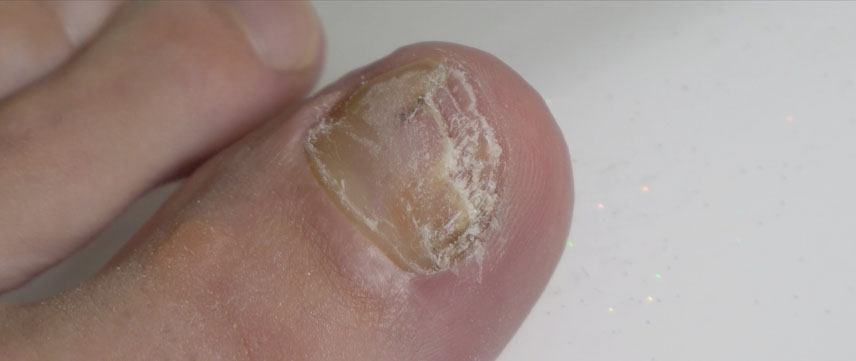
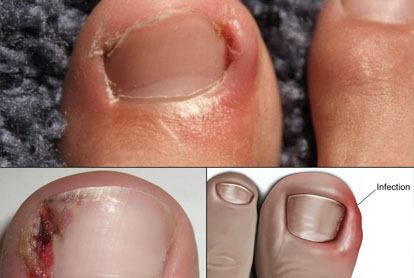
Partial & Total Nail Avulsion at Derma Space, Meerut

Partial & Total Nail Avulsion

Understanding Nail Avulsion

Nail avulsion is a minor procedure where part of the nail or the entire nail is removed when it is causing pain, infection, pressure, or repeated discomfort. It may be required in cases of ingrown toenails, damaged nails, fungal nail changes, nail trauma, severe thickening, or recurrent nail infection. Partial nail avulsion removes only the affected portion of the nail, while total nail avulsion involves removing the complete nail plate when needed.

At Derma Space, Dr. Tushyata examines the nail, surrounding skin, pain level, infection, and history of recurrence before deciding the most suitable approach.


When the Procedure May Be Needed

Partial or total nail avulsion may be considered when a nail becomes painful, infected, deeply ingrown, thickened, lifted, damaged, or repeatedly inflamed. Patients may notice swelling, redness, pus, tenderness, difficulty wearing shoes, or pain while walking. In some cases, the nail edge keeps growing into the skin and causes repeated episodes despite basic care. A damaged or diseased nail may also need removal if it is not improving with medicines alone.

At Derma Space, Dr. Tushyata evaluates whether nail avulsion is necessary or whether medical treatment, trimming guidance, footwear changes, or infection control should be tried first.


Treatment Approach at Derma Space

At Derma Space, partial or total nail avulsion is planned according to the nail condition, severity of pain, infection, and the area involved. The procedure is usually performed under local anaesthesia so the toe or finger remains comfortable during treatment. In partial avulsion, only the problematic nail edge or section is removed, while in total avulsion, the complete nail plate may be removed if required.

Dr. Tushyata explains the procedure, expected healing time, dressing care, possible regrowth, and follow-up before starting. The aim is to relieve discomfort, manage the nail problem safely, and reduce repeated irritation.

Dr. Tushyata Arora Nail Avulsion specialist
Nail Avulsion patient consultation with Dr. Tushyata Arora in Meerut

Aftercare and Recovery

After nail avulsion, proper dressing and wound care are important for comfortable healing. Patients may be advised to keep the area clean and dry, avoid tight footwear, protect the treated nail area from injury, and follow medicine or dressing instructions carefully. Mild pain, swelling, or sensitivity may be present for a short time, especially while walking or wearing shoes. Healing time can vary depending on whether partial or total avulsion was done and whether infection was present.

At Derma Space, Dr. Tushyata provides clear aftercare guidance and follow-up support to help the area heal safely and reduce unnecessary discomfort.


Why Dermatologist Guidance Matters

Nail problems are often self-treated by cutting the nail too deeply, applying random creams, or repeatedly trying home remedies. This may worsen pain, infection, or ingrowth, especially when the nail has already damaged the surrounding skin. A dermatologist-led approach helps identify the cause and decide whether avulsion is truly needed. It also reduces the risk of incomplete removal, poor healing, or repeated trauma.

At Derma Space, Dr. Tushyata focuses on careful diagnosis, safe procedure planning, and practical prevention advice, including nail-cutting habits, footwear guidance, and follow-up care for long-term nail health.

Derma Space Meerut Whatsapp No.