Keloid & Hypertrophic Scar
Understanding Keloid & Hypertrophic Scars
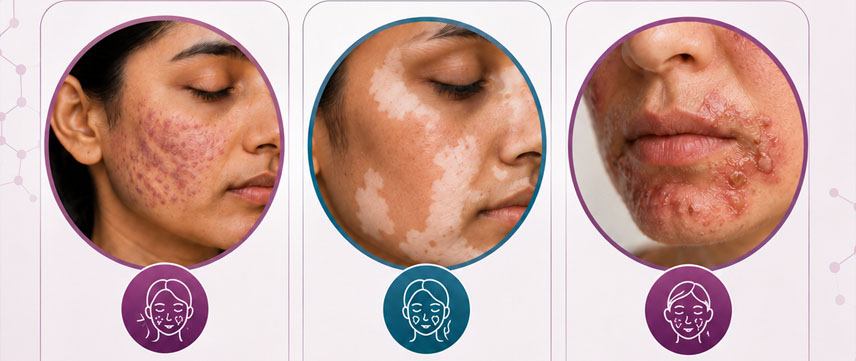
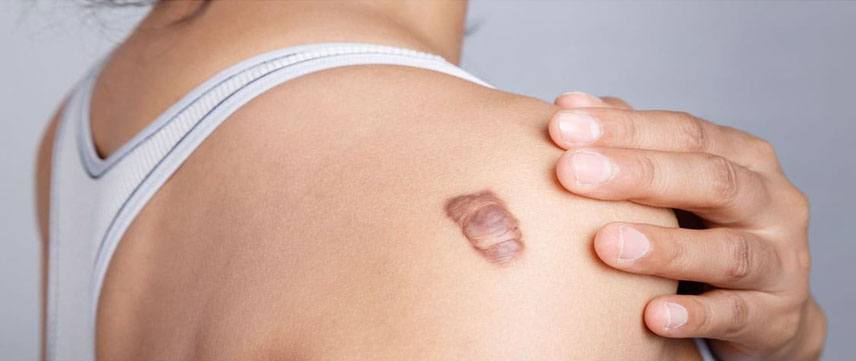
Keloid and hypertrophic scars are raised scars that develop when the skin produces excess healing tissue after an injury. They may form after acne, cuts, burns, piercings, surgery, injections, or even minor skin trauma. A hypertrophic scar usually stays within the boundary of the original wound, while a keloid may grow beyond it and become larger over time. These scars can feel firm, itchy, painful, or uncomfortable, and may also affect confidence when present on visible areas.
At Derma Space, Dr. Tushyata evaluates the scar type, size, location, symptoms, and duration before suggesting a suitable treatment plan.
Common Signs and Symptoms
Keloid and hypertrophic scars may appear as thick, raised, shiny, firm, or darker patches over the skin. Some scars remain small and stable, while others may gradually increase in size or become more noticeable. They can develop on areas like the chest, shoulders, back, jawline, ears, arms, or after acne on the face. Patients may experience itching, tenderness, tightness, pain, or discomfort, especially when the scar is rubbed by clothing or jewellery. Since not every raised scar behaves the same way, proper assessment is important. Dr. Tushyata’s evaluation at Derma Space helps identify the scar correctly and plan treatment accordingly.
Why These Scars Develop
These scars develop due to an overactive healing response, where the body produces extra collagen while repairing the skin. Some people may be more prone to developing keloids because of family tendency, skin type, repeated irritation, or previous history of raised scars. Triggers may include ear piercing, acne inflammation, burns, cuts, surgery marks, tattoos, or friction over healing skin. Sometimes, trying to remove or cut a keloid without proper planning may make it return bigger or thicker.
At Derma Space, Dr. Tushyata focuses on understanding the cause, activity, and behaviour of the scar before recommending a safe and practical treatment approach.

Treatment Approach at Derma Space
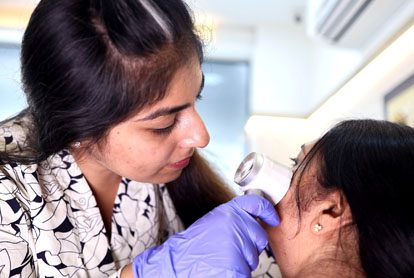
Treatment for keloids and hypertrophic scars depends on the scar’s size, thickness, location, symptoms, and whether it is active or stable. Dr. Tushyata may recommend options such as medicated injections, silicone-based care, topical medicines, laser-based procedures, or other dermatologist-guided treatments depending on the case. The aim is to reduce thickness, discomfort, itching, and visibility, while also lowering the chances of recurrence wherever possible. Since these scars may need multiple sessions and regular follow-ups, patients are guided with realistic expectations.
At Derma Space, the treatment plan is personalised, structured, and focused on safe scar management with proper aftercare.
When Should You See a Dermatologist?
You should consult a dermatologist if a scar is raised, growing, itchy, painful, tight, or becoming darker and more noticeable over time. Medical advice is also important if the scar develops after acne, surgery, piercing, burns, or injury and continues to thicken instead of settling. Early evaluation can help manage discomfort and prevent unnecessary irritation. It is best to avoid cutting, scratching, self-treating, or applying random creams without guidance, as this may worsen the scar or trigger further growth.
At Derma Space, Dr. Tushyata provides careful scar evaluation, treatment planning, and practical advice to support better long-term scar care.